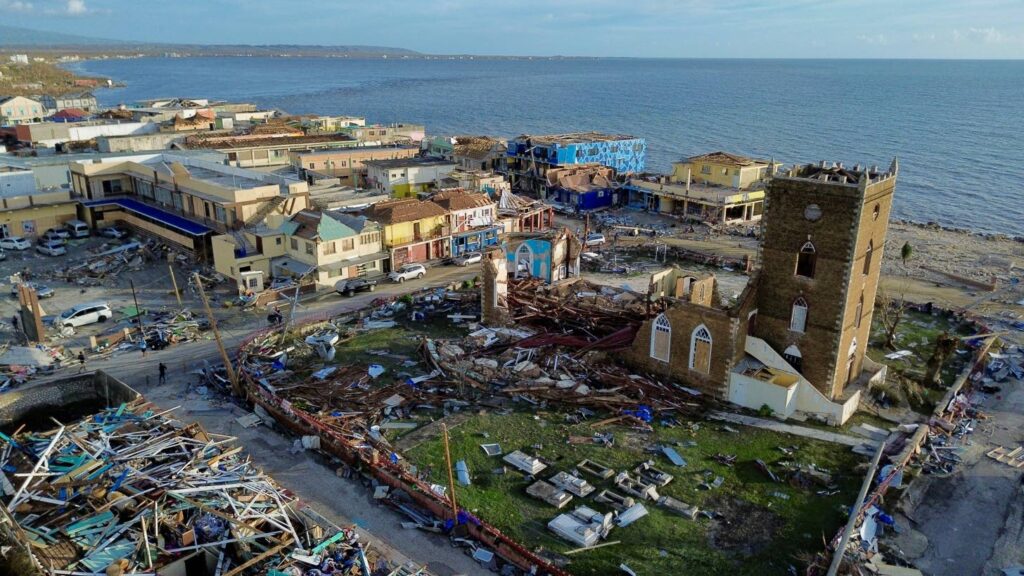
In the wake of Hurricane Melissa’s devastating path through Jamaica, leading architectural conservationists are advocating for expert-led restoration of the nation’s damaged heritage structures. Preservation specialists Pat Green and Sarah Ann Hodges emphasize that immediate professional intervention is crucial to salvage both physical materials and historical knowledge from affected sites.
The Category 5 hurricane, one of the most powerful Atlantic storms in recorded history, caused extensive damage to centuries-old churches, courthouses, and schools when it made landfall on October 28 with sustained winds of 185 mph. While acknowledging the storm’s unprecedented strength, both experts identified systemic neglect and poor maintenance practices as significant factors exacerbating the destruction.
Registered architect and conservation consultant Pat Green stressed the urgency of professional assessment before cleanup operations begin: “My concern is that bulldozers might scrape up everything without proper evaluation. We need heritage professionals on the ground to guide the salvaging process—this isn’t just debris but valuable knowledge, technology, and reusable materials.”
Preservation architect Sarah Ann Hodges, co-founder of Kingston 10 Architects, outlined immediate priorities: “Where roofs are damaged, the critical first step is preventing further water intrusion. We must literally pick up the pieces—collect timbers, commemorative stones, and tiles—and ensure these materials aren’t diverted elsewhere.”
Both experts highlighted the educational opportunity presented by the damage. Green explained, “Examining these structures reveals construction techniques that need to be passed to younger generations. Many assume these buildings were entirely European imports, but my research shows they were designed and built by Jamaican craftspeople using local materials—a testament to our ancestors’ ingenuity.”
The architects proposed two conservation approaches: either preserving ruins as historical monuments while constructing modern facilities within them, or rebuilding structures to original specifications with strengthened connections and reinforcements. They pointed to successful post-disaster reconstructions after Jamaica’s 1907 earthquake and 1951 Hurricane Charlie as models.
A recurring theme in both interviews was Jamaica’s problematic maintenance culture. Hodges noted the paradox: “People meticulously maintain their cars but expect buildings to look after themselves. Then they’re surprised when structures collapse.” Green identified termite damage from untreated lumber and inferior building materials as particular vulnerabilities.
Despite the devastation, Green remains optimistic about recovery prospects, citing historical precedents: “After the 1907 earthquake, major rebuilding occurred within years. The same happened post-Hurricane Charlie and in Belize after Hurricane Hattie. Recovery is possible with sufficient will and proper techniques.”
The extensive damage to structures like St John’s Anglican Church in Black River serves as both a tragedy and a wake-up call for improved preservation practices across Jamaica’s architectural heritage.