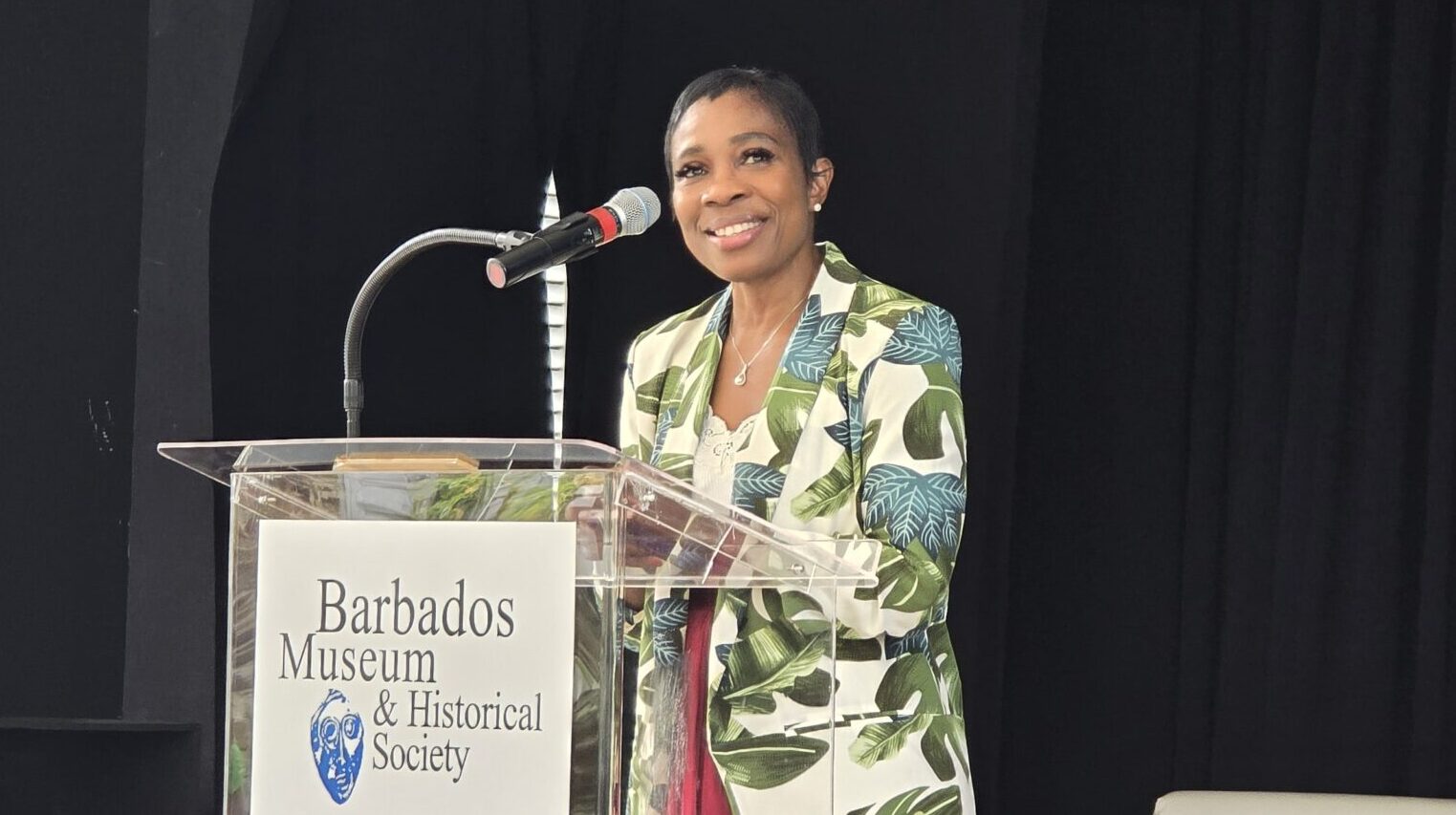
After nearly two decades of closure, Barbados’ iconic Carnegie Library in Bridgetown is set for a comprehensive restoration, Culture Minister Senator Dr. Shantal Munro-Knight announced. The century-old landmark, which has remained shuttered since 2006 due to structural deterioration, will undergo phased reconstruction that blends historical preservation with modern sustainability features.
The minister revealed the government has allocated approximately $2 million for initial design and structural stabilization work, though she acknowledged this represents ‘a drop in the bucket’ compared to the project’s total anticipated costs. The restoration will address critical issues including complete roof replacement and reinforcement of load-bearing walls while maintaining the building’s original architectural integrity.
In collaboration with Barbados Tourism Investment Incorporated (BTII), the Ministry of Culture is developing plans for a state-of-the-art facility that will incorporate sustainable design elements, improved public spaces, and modern amenities. The redesigned library will feature café areas, open public spaces, and environmental considerations such as natural lighting optimization.
Senator Munro-Knight emphasized the library’s dual role as both cultural landmark and community sanctuary, noting that libraries serve as ‘safe spaces’ for residents regardless of their personal circumstances. The restoration initiative forms part of broader government efforts to preserve Barbados’ built heritage, alongside ongoing work to establish a National Art Gallery at The Garrison.
Originally constructed between 1903-1906 through a gift from Scottish-American philanthropist Andrew Carnegie, the Coleridge Street building was the first and largest Carnegie library in the English-speaking Caribbean. Carnegie’s global library initiative supported over 2,500 libraries worldwide, with several established throughout the Caribbean region.
The minister appealed for public and private sector partnerships to help fund the ambitious restoration, describing the project as vital to preserving Barbados’ cultural identity while creating functional community spaces for future generations.