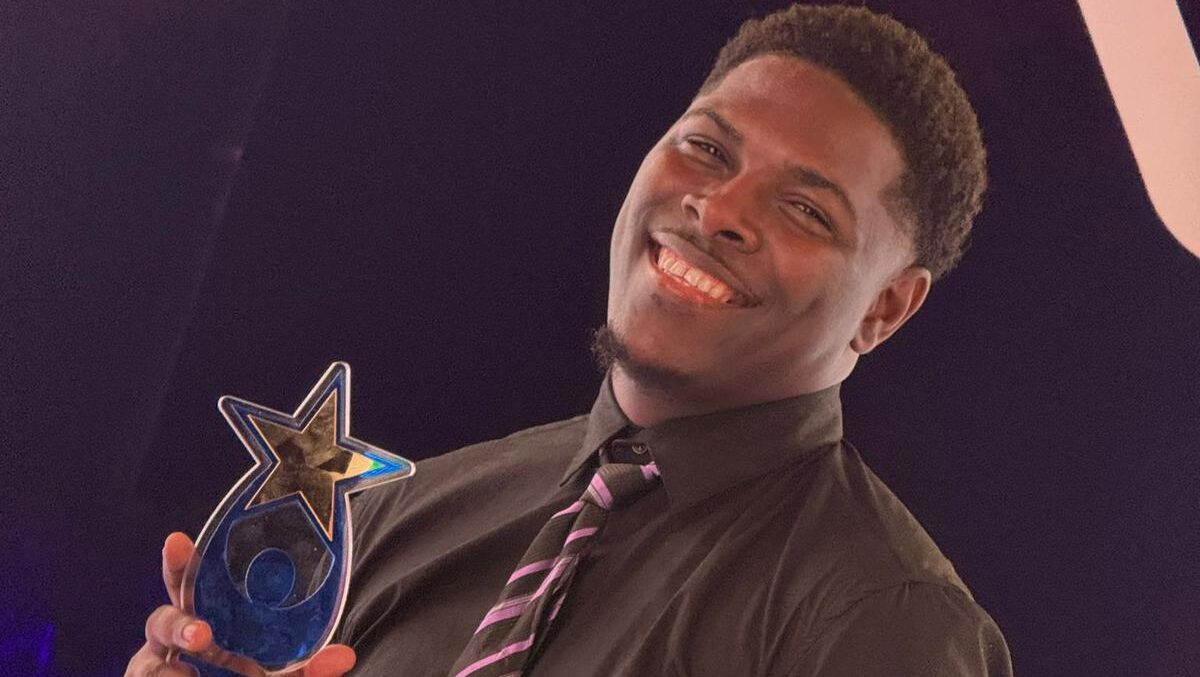
Scott Williams, Vice-President of the Barbados Horizon Deaf Charity (BHDC) and a prominent disabilities advocate, is spearheading a movement to transform educational accessibility for the deaf community in Barbados. His campaign emphasizes two critical pillars: the urgent need for more qualified interpreters and the fundamental integration of deaf-led sign language instruction within the national school system.
Drawing from his personal experience of becoming deaf in childhood, Williams highlights a significant flaw in current educational approaches. His initial exposure to sign language came through hearing instructors who, despite their good intentions, lacked the intrinsic cultural and experiential understanding that only a deaf individual possesses. This gap, he argues, often leads to instructional inaccuracies and a diluted representation of the language. “With a hearing person teaching a language that is not theirs, how do you know they are teaching it correctly?” Williams questioned in an interview with Barbados TODAY. “Deaf people know our own sign language; it is our native tongue.”
While Williams acknowledges the valuable role hearing people play in teaching English, he asserts that American Sign Language (ASL) instruction must be led by those for whom it is a first language. His vision includes placing deaf educators and teacher’s assistants in classrooms to ensure linguistic accuracy and cultural authenticity, moving beyond token inclusion to meaningful representation.
However, Williams clarifies that his advocacy extends far beyond school-aged children, pointing to a pervasive lack of educational access for deaf individuals at all life stages in Barbados. He encourages the public to overcome communication barriers by learning basic sign language or even utilizing simple gestures. “Move your hands, use gestures… It’s easy. It doesn’t have to be complicated,” he advised, emphasizing that effort, not perfection, fosters connection.
Education is merely one facet of a broader struggle. Williams identifies a suite of interconnected challenges plaguing the deaf community, including severe shortages in interpreter services, rampant employment discrimination, and financial insecurity. The BHDC is actively working to devise solutions, though Williams notes a critical absence of governmental support thus far.
A profound part of his mission is to dismantle pervasive social stigmas that hinder true inclusion. He rejects the perception of deaf and disabled people as charity cases, stating, “They perceive us as if we can’t do things… We don’t need to have that because we’re deaf.” He frames the disabled community as “one big family” facing similar barriers.
Williams’s final appeal is for concrete action, particularly in employment and funding. He calls on employers to actively hire qualified individuals with disabilities and for investors to support their entrepreneurial dreams. “If they have a dream, it should be supported. We don’t want any more discrimination,” he stated, underscoring the urgent need for tangible change in a landscape where job access for deaf Barbadians remains critically limited.