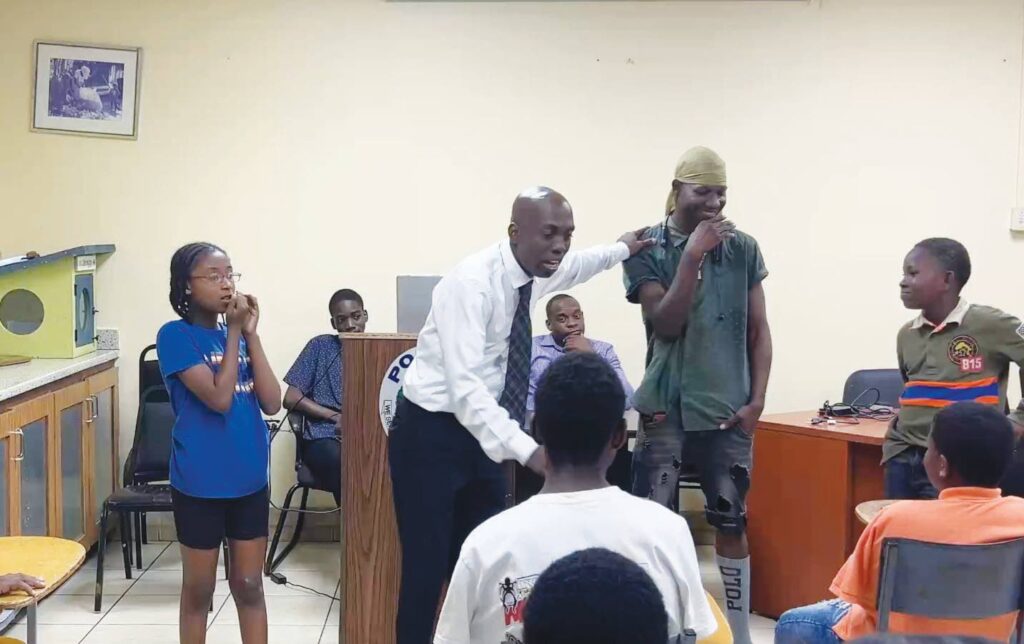
A Jamaican correctional chaplain, drawing from his profound experiences with inmate remorse, has launched a groundbreaking initiative to address the alarming surge in student violence following the resumption of in-person learning post-pandemic. Dwayne Nelson, 44, an ordained minister, educator, and justice of the peace, founded ‘Generational Impact’ to serve as a human barrier between at-risk youth and the prison system. The program operates under the mantra ‘Stop, Think, Then Act,’ aiming to fundamentally reconstruct maladaptive thought patterns among students.
Nelson’s unique perspective stems from his role conducting life skills sessions within the Department of Correctional Services, where he has witnessed firsthand the devastating consequences of criminal choices. This experience fueled his determination to break the cycle of crime by addressing its root causes in educational settings, particularly in low-performing schools where family dysfunction and negative influences often prevail.
The initiative employs a comprehensive behavior modification program targeting eight known criminogenic needs—factors that increase crime risk—including substance abuse, antisocial attitudes, and association with criminal peers. Nelson has assembled a resource team of professionals and incorporates powerful testimonies from ex-inmates to demonstrate the harsh realities of prison life.
In an innovative approach, the program has integrated chess as a strategic mental exercise to enhance emotional regulation, improve academic performance, and foster cognitive, emotional, and social development. Research indicates chess effectively builds self-confidence and character—qualities often lacking in misbehaving children.
Currently self-funded and operating in five Corporate Area schools, Nelson balances this mission with his ministry and family responsibilities, utilizing leave time and weekends to deliver his message. The ultimate vision involves institutionalizing the program within Jamaica’s educational curriculum from primary to secondary levels, creating a foundational platform for developing positive thinkers with healthy self-esteem and self-control.
The initiative’s core messaging inspires youth to recognize their inherent worth and latent greatness, encouraging them to reject negative influences and criminal trajectories. Nelson’s firsthand knowledge of inmate regret provides compelling authenticity to his warning: continued destructive choices lead to places where freedom is lost and remorse prevails.