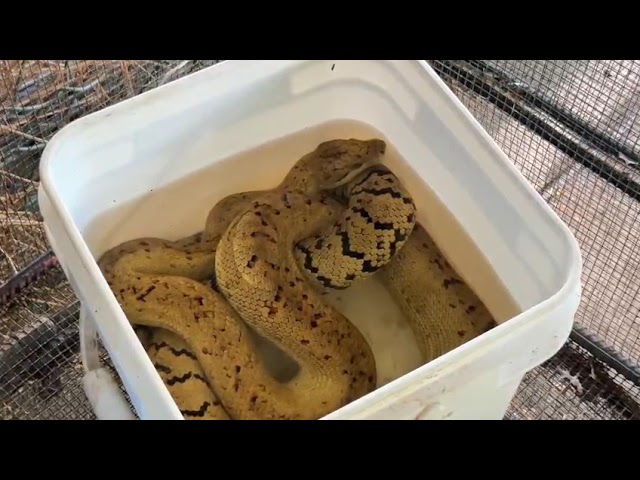
KINGSTON, Jamaica — In the aftermath of Hurricane Melissa, the Hope Zoo Preservation Foundation has emerged as a critical sanctuary for Jamaica’s displaced wildlife. The institution is currently conducting intensive rehabilitation operations for numerous animal species adversely affected by the catastrophic weather event, ranging from parrots and owls to crocodiles and snakes.
Many of these creatures represent Jamaica’s unique ecological heritage, including globally endemic species such as the Jamaican yellow-billed parrot, black-billed parrot, Jamaican owl, and the Jamaican boa. According to General Curator Joey Brown, animals arrive through multiple channels: public reports, coordinated responses with the National Environment and Planning Agency (NEPA), and confiscations of illegally kept pets.
The rehabilitation process is both complex and costly. Upon arrival, animals undergo a mandatory one-month quarantine period involving deworming, parasite treatments, and comprehensive health assessments. For birds, the initial phase resembles an intensive care unit, with daily administrations of fluids, painkillers, and antibiotics.
Financial and spatial constraints present significant challenges. Brown emphasized that specialized diets—such as fruits for parrots and mice for birds of prey—along with prolonged housing in large flight enclosures for muscle rehabilitation, incur substantial expenses. The facility is currently operating at full capacity, prompting active grant proposals for expansion.
Beyond avian species, the foundation also assists in reptile rescues, often relocating displaced crocodiles to safer habitats or providing medical care when necessary. Brown advocates for equal respect toward all native species, regardless of public perception, noting that animals like crocodiles are embedded in national symbolism and ecological balance.
Jamaicans encountering distressed wildlife are encouraged to contact NEPA or the Hope Zoo Preservation Foundation for assistance.