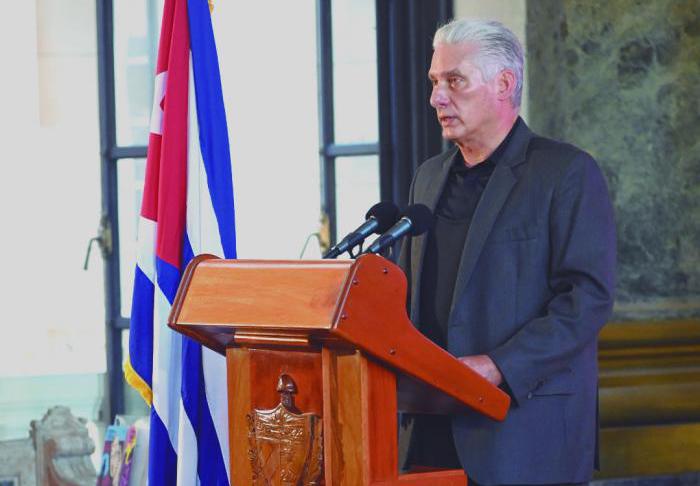
In a significant cultural initiative bridging Latin American nations, Cuban President Miguel Díaz-Canel has officially launched “Project 25 for 25” from Havana’s National Capitol, simultaneously with Mexican President Claudia Sheinbaum’s parallel ceremony in Mexico City. The ambitious literacy project aims to distribute 25 classic Latin American books to young readers aged 15-30 across the region completely free of charge.
The project, conceived by the Mexican government and coordinated through Cuba’s Casa de las Américas cultural institution, represents a strategic effort to combat the dominance of digital entertainment and social media among younger generations. President Díaz-Canel emphasized the initiative’s importance in preserving printed literature as a fundamental tool for knowledge acquisition and cultural preservation.
The Cuban leader drew historical parallels to Fidel Castro’s revolutionary literacy campaigns, noting how Cuba’s first cultural institution established in 1959 was the National Printing House. Its inaugural publication was Cervantes’ “Don Quixote,” followed by educational materials for the nationwide Literacy Campaign that eliminated illiteracy within a year.
The selected works include 20th century Latin American literary classics, with Gabriel García Márquez’s documentation of Cuba’s African engagements among the featured titles. Distribution will occur through educational institutions, cultural centers, and public reading spaces across participating countries, deliberately bypassing commercial channels to ensure accessibility regardless of economic barriers.
President Díaz-Canel characterized the project as a “bridge of paper and ink” strengthening historical ties between Mexico and Cuba, nations that have shared centuries of cultural exchange and parallel revolutionary struggles. The initiative specifically targets youth who have never owned physical books by Latin American authors, providing tangible access to literary works that explore regional identity, historical memory, and social justice themes.
The Cuban government has committed to integrating the collection into educational programs, reading workshops, and community discussion groups, framing literature as both a right and tool for critical thinking rather than merely academic obligation.