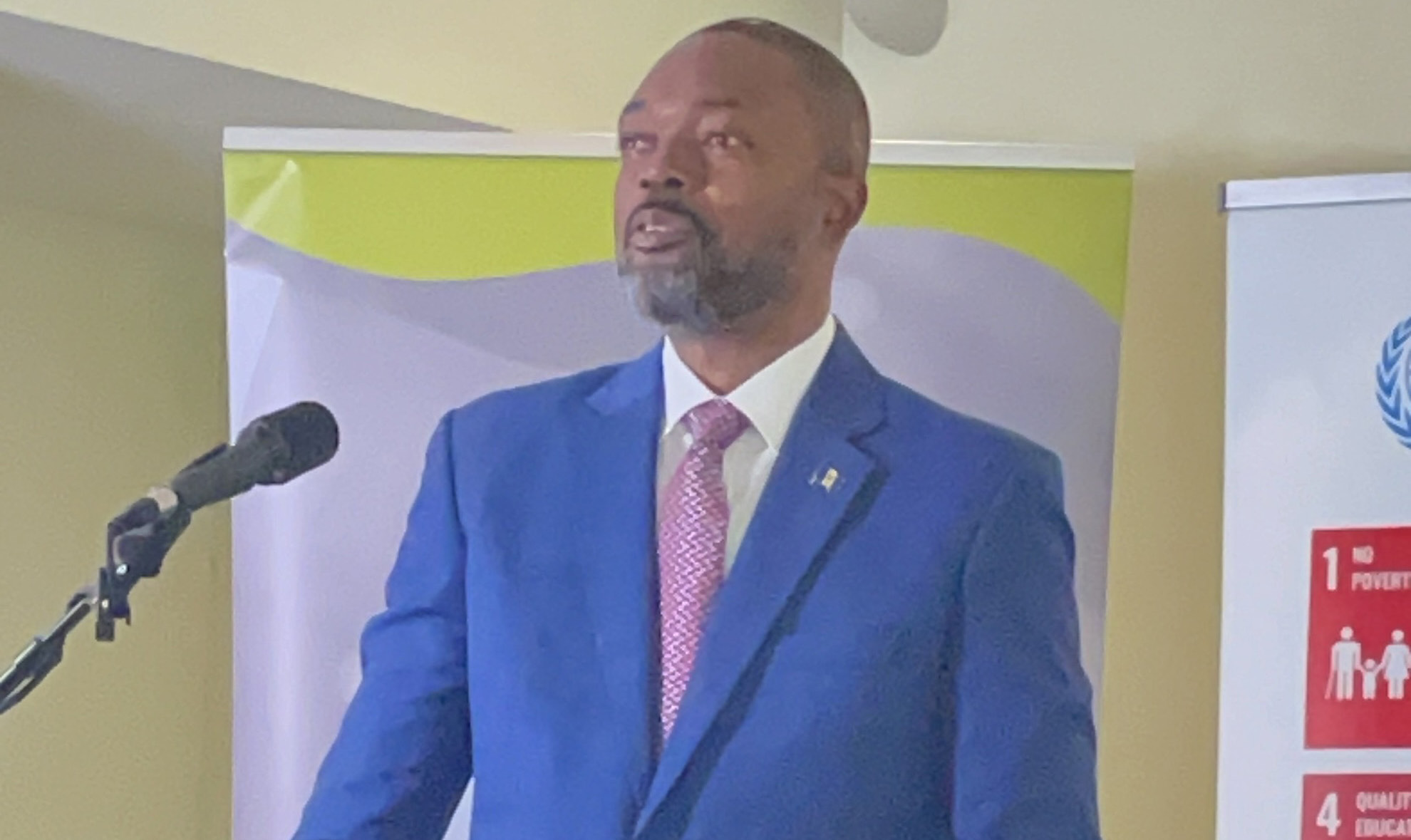
The Barbadian government is undertaking a significant reform of its disability benefits system, specifically targeting the rule that automatically terminates financial support when recipients begin earning income. Minister of Labour Colin Jordan revealed the policy review to Barbados TODAY, emphasizing the administration’s commitment to creating a more flexible social safety net.
The comprehensive reassessment addresses fundamental flaws in the current framework that inadvertently penalize disabled individuals seeking employment. Under existing regulations, any earned income immediately triggers benefit withdrawal, creating a substantial disincentive for workforce participation. The revised approach will establish an income threshold system where beneficiaries can maintain partial state support while earning modest wages.
Minister Jordan articulated the policy’s rationale during a disability sensitivity training event for employers, noting that many disabled persons can only manage part-time or reduced work schedules. “There are some people with disabilities who can’t work full time every day,” Jordan stated. “They may be working three or four half days weekly—this represents meaningful employment within their capabilities but often provides insufficient income for independent living.”
The National Insurance and Social Security Service (NISSS) is spearheading the review process, with particular attention to the program’s unique funding structure. Unlike standard National Insurance benefits financed through contributions, the special needs program draws directly from the government’s Consolidated Fund, acknowledging that many recipients cannot make consistent financial contributions.
This welfare initiative serves approximately 1,600 beneficiaries, providing crucial assistance for basic living expenses including transportation, healthcare access, and essential personal items. The minister highlighted that minimum wage provisions often remain inaccessible to this population, making continued support necessary for dignified existence.
The proposed reforms build upon recent legislative expansions that broadened eligibility criteria beyond the previously narrow focus on deaf-mute individuals. Updated regulations now include autism, cerebral palsy, advanced multiple sclerosis, and Down syndrome, significantly extending the program’s reach.
While no definitive timeline exists for implementation, Minister Jordan indicated potential progress before mid-2025. The government is concurrently promoting workplace inclusion through employer education programs, encouraging businesses to create accommodating environments for disabled workers. The ultimate objective remains balancing workforce participation incentives with appropriate ongoing support for vulnerable citizens whose earning capacity may fluctuate due to health considerations.