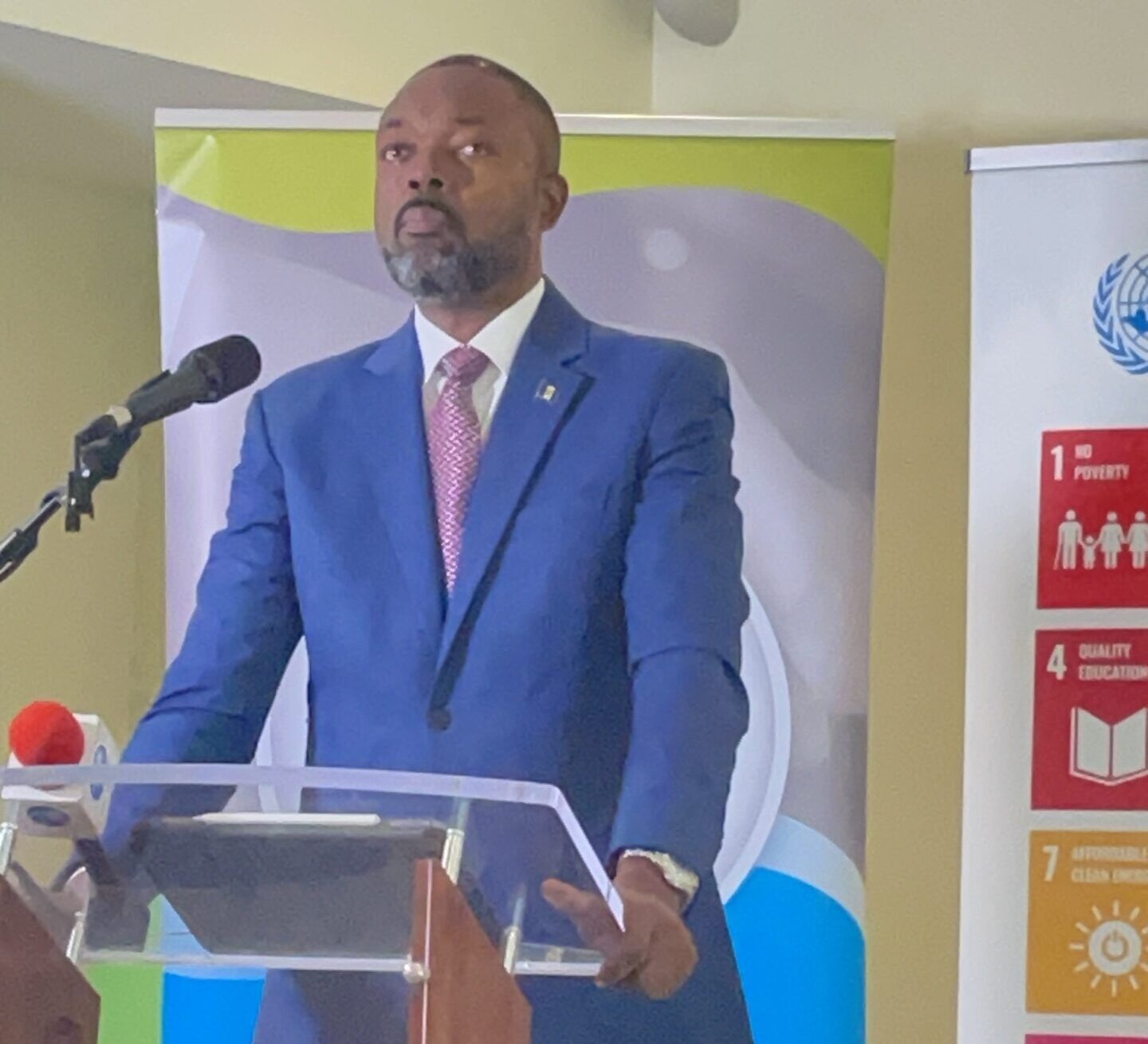
Barbados is spearheading a transformative workplace inclusion initiative, with government officials and disability advocates urging employers to integrate sign language training as a standard organizational requirement. The campaign gained momentum during a specialized Disability Sensitivity Training session hosted by the Ministry of Labour, Social Security and Third Sector in collaboration with the United Nations, held Wednesday at Courtyard by Marriott in Hastings, Christ Church.
Minister Colin Jordan articulated a strategic vision for organizational accessibility, proposing that sign language proficiency should mirror established workplace safety protocols. “Similar to CPR and first-aid requirements, we need designated staff members equipped with sign language skills across all departments,” Jordan emphasized. He clarified that while universal training remains impractical, creating communication access points through trained personnel is both feasible and essential.
The training session revealed profound communication challenges facing the deaf community, with Barbados Council for the Disabled representative Heather Gazette-Corbin detailing the isolating nature of hearing impairment. “Hearing loss creates profound isolation—individuals experience internal struggles they cannot verbally express,” she explained, noting critical safety implications including limited emergency service access.
Gazette-Corbin addressed prevalent misconceptions, clarifying terminology preferences within the community: “deaf” for congenital hearing loss and “hard of hearing” for acquired conditions, while strongly discouraging outdated terms like “dumb.” She dismantled the myth of lip-reading reliability, demonstrating how even common phrases can be misinterpreted without contextual clues.
The presentation introduced the concept of the “deaf nod”—a social adaptation where individuals pretend comprehension to avoid disruption—and provided practical communication guidelines including maintained eye contact, clear visual access to mouths, and information rephrasing.
Addressing safety concerns frequently cited by employers, Gazette-Corbin presented counterintuitive findings: “Deaf individuals often detect emergencies through vibrations and visual cues before hearing colleagues become aware. Fire alarms can be supplemented with flashing light systems that benefit all employees, especially as age-related hearing decline occurs.”
The representative concluded with compelling testimony about workplace capabilities: “Deaf employees demonstrate exceptional commitment and productivity when provided appropriate accommodations. Their performance consistently exceeds expectations when communication barriers are removed.”
This training initiative represents a cornerstone in Barbados’ broader strategy to implement inclusive employment practices, with additional sensitization sessions planned nationwide to improve accessibility for people with disabilities.