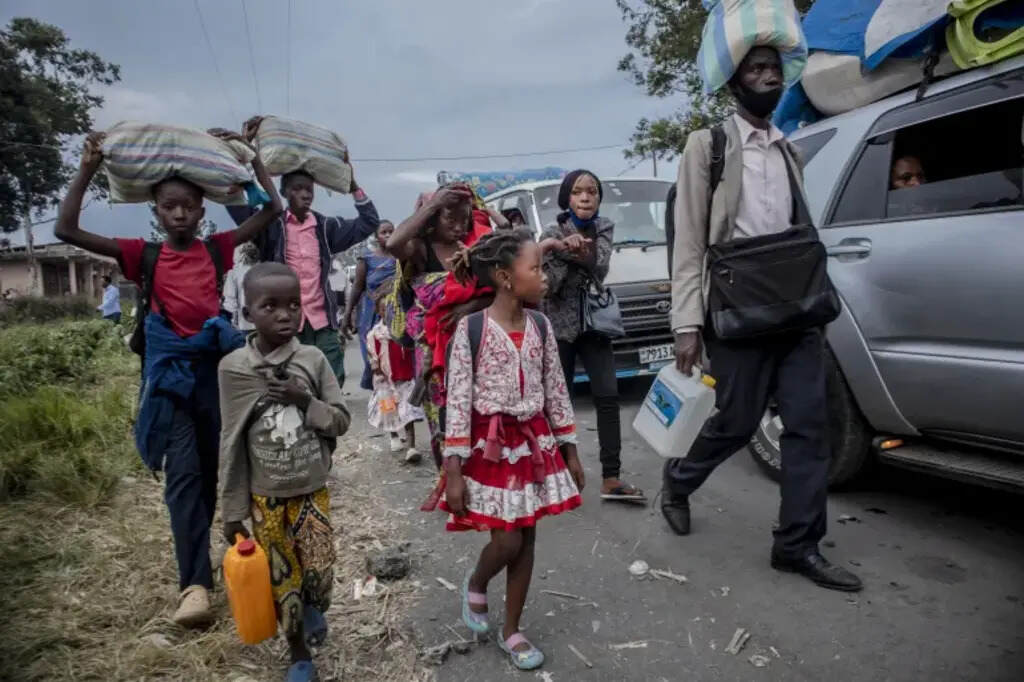
A severe humanitarian emergency is unfolding in Central Africa as escalating violence in the Democratic Republic of Congo’s South Kivu province triggers a massive displacement crisis. According to UNICEF assessments, intense combat operations since December 1st have compelled approximately 500,000 individuals to abandon their homes, with more than 100,000 children among those forcibly displaced.
The international organization reports that countless families are undertaking perilous journeys to seek sanctuary, with many crossing international borders into neighboring Burundi and Rwanda. Current projections indicate this exodus will intensify as armed conflict continues to spread across the region.
UNICEF’s official statement highlights profound concerns regarding the safety and welfare of displaced minors, who confront multiple protection risks including family separation, physical violence, exploitation, and gender-based abuse. The psychological trauma experienced by children exposed to conflict situations represents another critical dimension of this crisis.
Recent data reveals alarming trends, with over 50,000 Congolese nationals documented as arriving in Burundi between December 6-11 alone. Nearly half of these refugees are minors, and humanitarian agencies anticipate these numbers will surge in coming days.
The visible consequences include injured civilians and significant numbers of unaccompanied children separated from familial protection networks. In response, UNICEF is coordinating with governmental authorities in both the DRC and Burundi to activate emergency humanitarian interventions.
The agency has issued urgent appeals to all conflict participants, emphasizing obligations under international humanitarian law and the Convention on the Rights of the Child. UNICEF officials stress that children must never bear the consequences of armed confrontation between warring parties.