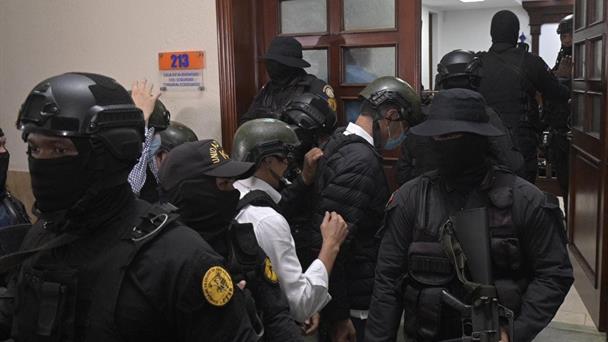
In a landmark ruling that has sent shockwaves through the Dominican Republic’s public health sector, a National District court has mandated 18 months of pre-trial incarceration for former National Health Insurance (SENASA) director Santiago Hazim and six co-defendants. The decision comes in response to their alleged involvement in a sophisticated financial fraud scheme that reportedly defrauded the state-run insurer of over RD$15 billion.
The Permanent Attention Office of the National District issued the detention order following extensive evidentiary presentations from the Public Prosecutor’s Office, which has characterized the case as one of the most significant corruption investigations in recent Dominican history. Prosecutors have identified Hazim as the purported mastermind behind a criminal network that operated undetected for approximately five years, employing falsified documentation and altered records to conceal systematic financial malfeasance within the health insurance system.
In a contrasting development, the judicial authority demonstrated leniency toward three additional defendants who provided substantive cooperation with investigative authorities. These individuals received alternative restrictive measures including house arrest and international travel prohibitions rather than incarceration.
According to official allegations, the organized network implemented elaborate mechanisms to divert public health funds while simultaneously creating complex financial structures to hide illegally acquired assets. The prosecution further contends that Hazim engaged in deliberate obstruction of justice through witness intimidation tactics designed to compromise the investigation’s integrity.
This case has triggered intensified public scrutiny regarding the management of national health resources and amplified demands for enhanced transparency mechanisms within Dominican public institutions. The scale of the alleged fraud has prompted nationwide discussions about institutional accountability and governance reforms in the country’s public health administration.