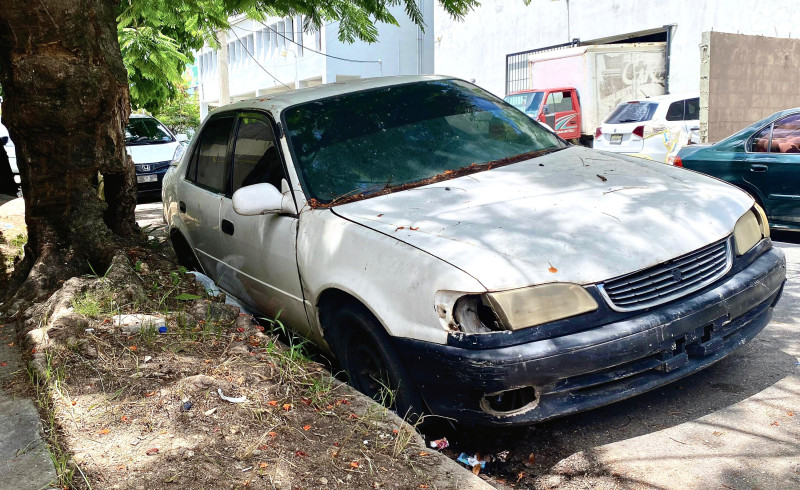
SANTO DOMINGO – The Dominican Republic has implemented sweeping vehicle safety and retirement regulations under its comprehensive Law No. 63-17 on Mobility, Land Transportation, Transit, and Road Safety. This legislation establishes precise criteria for determining when a vehicle must be permanently removed from circulation, prioritizing public safety and environmental protection.
The law specifies three primary conditions under which a vehicle is deemed unroadworthy and must be demolished. First, mandatory age limits are imposed based on vehicle type: motorcycles (10 years), light passenger vehicles (15 years), minibuses (17-20 years depending on capacity), buses (25 years), and heavy cargo vehicles (30 years). Upon reaching these thresholds, vehicles become ineligible for inspection tags and operational permits.
Second, regardless of age, any vehicle failing the mandatory Technical Vehicle Inspection (ITV) – which assesses mechanical integrity, safety features, and emissions compliance – will be prohibited from operation. The National Institute of Transit and Land Transportation (Intrant) holds authority to revoke circulation authorizations for vehicles presenting public safety risks.
Third, insurance companies must declare vehicles as total losses following severe damage from accidents or fires, permitting sale only for parts or demolition. The law explicitly bans importing vehicles with salvage or rebuilt titles.
Enforcement mechanisms require the General Directorate of Internal Taxes (DGII) to remove non-compliant vehicles from the National Registry, while Intrant coordinates immediate demolition operations. This regulatory framework represents one of the Caribbean’s most stringent vehicle safety initiatives, aiming to modernize the national fleet and reduce traffic fatalities.