Faced with persistently rising supermarket prices, Barbadian families are demonstrating remarkable ingenuity to maintain cherished Christmas traditions while navigating economic pressures. Across the island, households are adopting diverse strategies ranging from home cultivation of ingredients to strategic cross-border shopping, fundamentally redefining their holiday preparations.
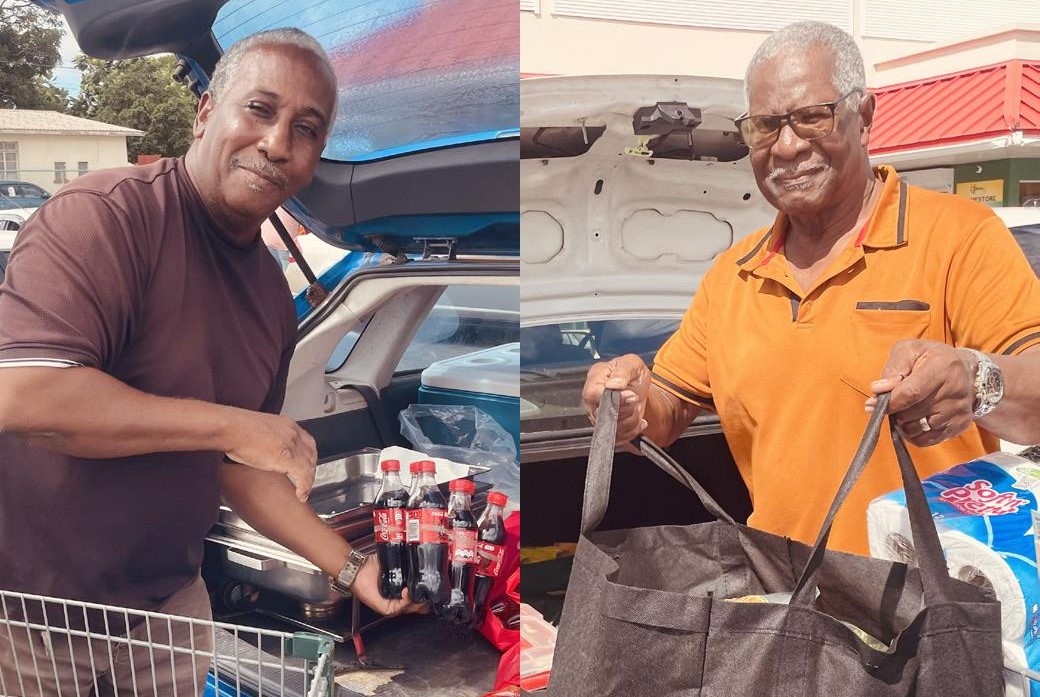
At Popular Discounts in Kendal Hill, a steady flow of shoppers carried essential provisions including meats, fruits, and baking materials, indicating advanced stages of seasonal preparation. This scene reflects a broader trend of resourcefulness becoming essential for holiday celebrations.
Elsa Marshall, mother of five, exemplifies this adaptive approach through heightened self-sufficiency. “I maintain focus on fundamental necessities,” she explained, noting her commitment to providing homemade cakes and treats despite financial constraints. Her calculus extends beyond immediate savings: “A $50 purchased cake represents three homemade equivalents, plus saved supermarket time and avoided queues – time is money.” Marshall supplements her kitchen with backyard-grown seasonings, though she acknowledges persistent financial strain despite three working adults in her household.
Budget-conscious strategies vary across households. Ericson Thomas emphasizes comparative shopping across different supermarkets to optimize expenditures, while maintaining traditional menus including ham, chicken, and turkey for expected guests. Heather Bostic adopts a minimalist philosophy, concentrating on essentials while acknowledging ongoing financial obligations. “The extravagance would be a ham,” she remarked with laughter, emphasizing modest vegetable additions and children’s treats without excess.
Some residents undertake extraordinary measures, with Mrs. Blackett from St John reporting international procurement trips to Canada for more affordable breakfast items and meats. “Overseas shopping reduces costs significantly,” she noted, adding that manageable Customs charges helped mitigate living expenses.
The tangible impact of inflation emerges through stark comparisons. One elderly shopper documented a $10 increase for identical fruit purchases within a single week, prompting early July preparations to avoid December price surges.
Despite these challenges, the cultural commitment to Christmas tradition remains unwavering. Michael Beckles, while loading groceries, articulated this resilience: “Certain necessities reflect our inherent traditions. We must procure ingredients for jug jug and traditional dishes. Christmas remains what you make it.” His balanced approach – “a little bit of everything without excess” – captures the prevailing sentiment of determined celebration amid economic adaptation.
For wheelchair user Yvette Sealy, the season’s essence has shifted toward spiritual significance rather than material display, focusing on church attendance and simple meals while utilizing previous years’ frozen ham.
This collective response illustrates both the pressures of economic reality and the enduring strength of cultural traditions, as Barbadians creatively preserve Christmas spirit through community resilience and adaptive celebration.