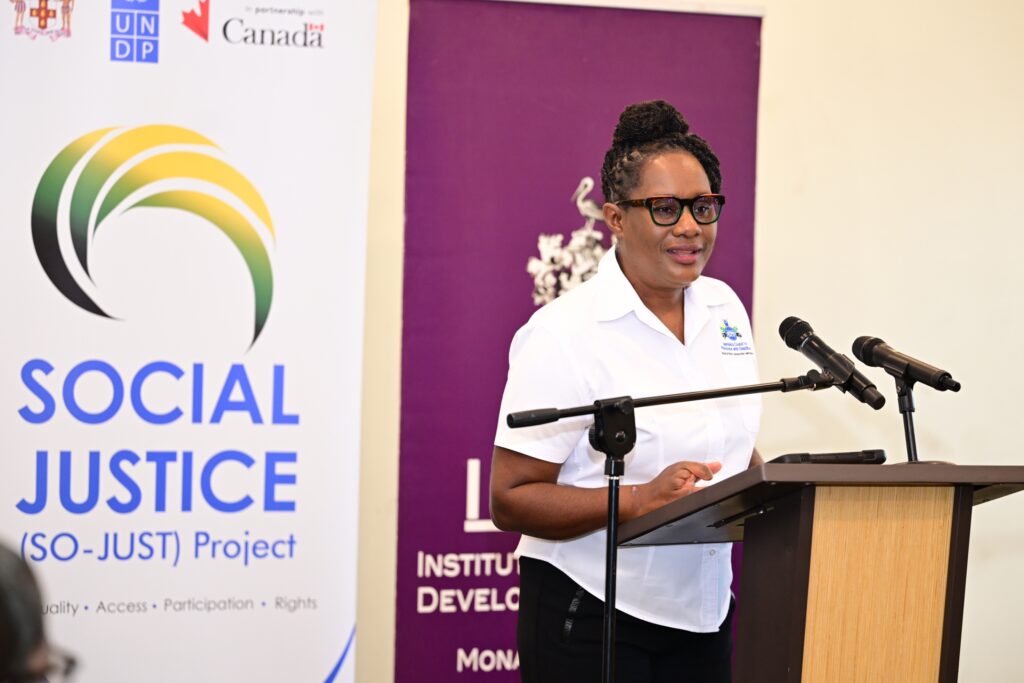
KINGSTON, Jamaica—In the wake of Hurricane Melissa’s devastation, the Jamaica Council for Persons with Disabilities (JCPD) is championing a transformative approach to reconstruction that prioritizes universal accessibility. Executive Director Dr. Christine Hendricks is calling on all rebuilding stakeholders to incorporate universal design principles, ensuring that rebuilt infrastructure serves all citizens, including those with disabilities.
Dr. Hendricks emphasizes that the widespread destruction presents a unique opportunity to rebuild according to modern accessibility standards outlined in Jamaica’s building code. The JCPD provides detailed guidelines on its website, including specifications for proper ramp construction, doorway width requirements, and accessible bathroom design. These measures aim to eliminate physical barriers that traditionally exclude persons with disabilities from public spaces.
The council has identified problematic practices such as placing utility poles and plant boxes in the middle of sidewalks, which effectively block mobility for wheelchair users and others with physical disabilities. Dr. Hendricks notes that such exclusionary design could constitute discrimination under Jamaican law, with potential complaints escalating to the Disabilities Rights Tribunal if unresolved through initial interventions.
Beyond advocacy, the JCPD has launched extensive field operations across the most affected parishes, including Westmoreland, Hanover, Trelawny, St. James, and portions of St. Ann, Manchester and Clarendon. Since October 31, assessment teams have delivered care packages and documented extensive losses in communities like Lititz and Junction, where entire farms were destroyed and homes were flooded or lost roofs.
The council is compiling comprehensive damage assessments, particularly focusing on persons with disabilities who lost homes and small businesses, to facilitate support through the Ministry of Labour and Social Security. The JCPD is also guiding eligible individuals through the National Housing Trust’s disaster relief application process.
Collaborating with disability organizations including the Jamaica Society for the Blind, Jamaican Association on Intellectual Disabilities, and Caribbean Christian Centre for the Deaf, the council is working to reach approximately 675 deaf individuals affected by the hurricane through partner organization Ready to Sign.
International support has been crucial to recovery efforts. UNICEF has committed $32 million to provide care packages and digital vouchers for 1,500 children with disabilities, while UNESCO is assisting with technical expertise to develop Jamaica’s first inclusive disaster risk management framework. Additional support comes from the Australian government (offering grants up to US$65,000), the Canadian High Commission, and various diaspora groups sending relief supplies.
With verified reports of over 15,000 persons with disabilities residing in the hardest-hit parishes, the JCPD acknowledges the challenge of reaching all affected individuals. The council encourages relief workers to report encounters with persons with disabilities needing assistance via WhatsApp at 876‑447‑0444 or 876‑299‑7393, or by calling 876‑968‑8373.