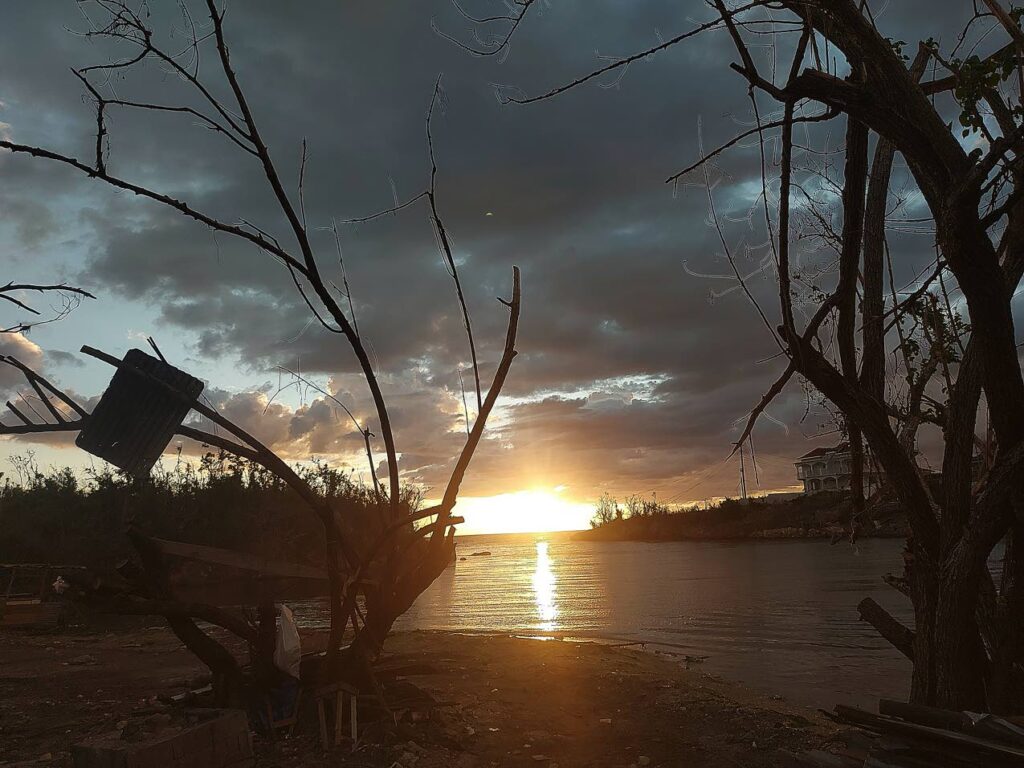
Residents across Westmoreland, Jamaica continue grappling with an extensive power outage more than six weeks after Category 5 Hurricane Melissa devastated the region on October 28. While expressing understanding for the Jamaica Public Service Company’s (JPS) monumental restoration challenges, communities are urgently appealing for accelerated recovery efforts as they resort to alternative lighting solutions.
The human impact of the prolonged electricity disruption reveals multiple dimensions of hardship. Percival Gordon from Farm District, whose home was destroyed by the hurricane, described the situation as “wicked” while preparing meals under solar lighting. “It’s not easy. It’s not pretty on us down here,” he shared, noting that when his solar lamp fails, “it’s pure darkness until morning.”
Economic consequences are particularly severe for tradespeople like Winston Hamilton of Whitehouse, who relies on power tools for his livelihood. “Light is an essential part of business. If light no deh about, the place lock down,” Hamilton emphasized, highlighting both economic and security concerns in the darkness.
Daily routines have undergone radical transformations since the hurricane. Maxine Johnson from Belmont now leaves work by 5:00 PM instead of her previous 7:00 PM departure to maximize daylight hours. Javier Stewart, navigating darkened streets with a flashlight, expressed safety concerns about nighttime travel, stating he “does not feel safe walking home at night.”
The financial burden of alternative lighting solutions is mounting for residents. Gordon detailed spending approximately $400 Jamaican for candles lasting merely three days, while others must pay to charge mobile phones—their primary communication and secondary light source—from generator owners.
According to JPS’s December 7 update, approximately 88% of Westmoreland customers remain without electricity. While power has been partially restored in northern and southern parish sections, full restoration for some communities may extend into 2026.
Despite the hardships, residents demonstrate remarkable resilience. Some gather around community fires until late hours, while others like Sharon Walcott maintain perspective: “We will wait until the light comes back because we know JPS is doing them best.” This tempered patience, combined with urgent appeals for accelerated restoration, characterizes the complex reality facing Westmoreland’s communities as they adapt to prolonged energy deprivation.