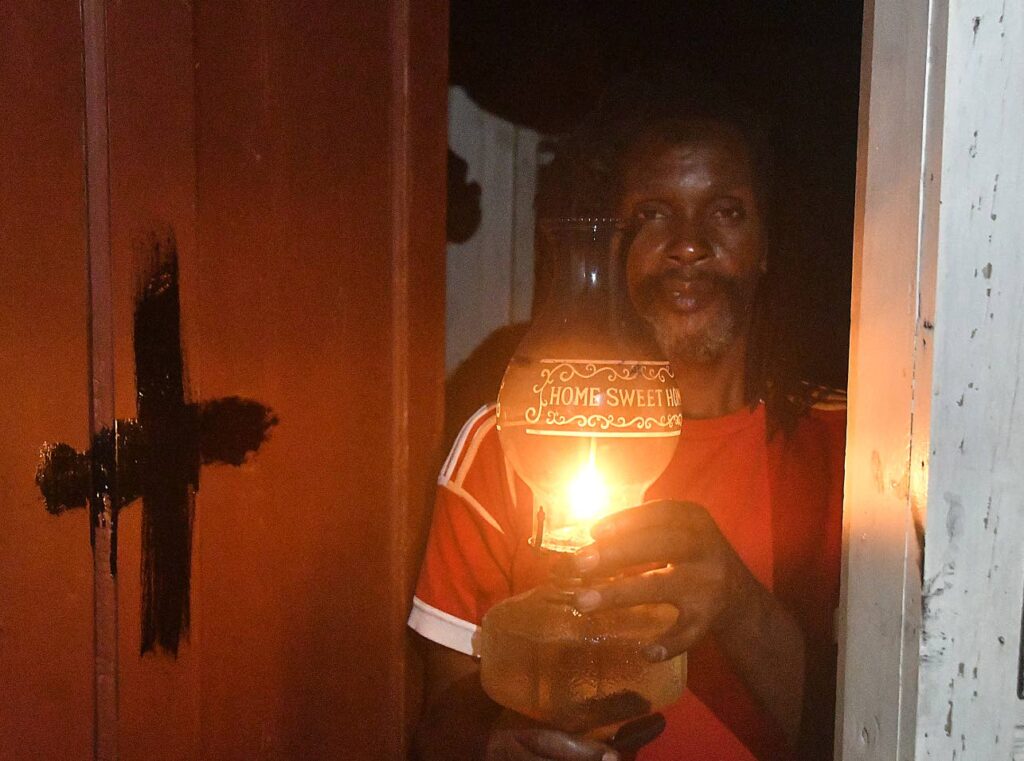
In the coastal community of Bluefields, Westmoreland, 73-year-old Jason McKenzie finds illumination not from the national power grid, but from a century-old kerosene lamp that has become his sole source of light since Hurricane Melissa devastated the island. The Category 5 storm, which struck on October 28, left more than 30,000 Westmoreland residents without electricity, with some potentially waiting until 2026 for full restoration according to Jamaica Public Service updates.
McKenzie’s ‘Home Sweet Home’ lamp—a cultural artifact passed down through three generations of his family—has transformed from sentimental keepsake to critical survival tool. The nostalgic glass lamp, once popular in Jamaican households during the late 1800s, now provides practical illumination amid widespread power outages.
“My grandparents left it for me,” McKenzie told journalists during a visit to the parish. “One time I considered discarding it, but then realized its value during power outages. Now the storm has come, and I must depend on it.”
The hurricane not only knocked out power infrastructure but also destroyed McKenzie’s roof, leaving portions of his home exposed to the elements. Despite managing temporary repairs to his bedroom section, he remains vulnerable to weather conditions while awaiting assistance.
McKenzie detailed the lamp’s operational practicality compared to modern alternatives: “The money I would use to buy candles, I use to buy kerosene oil. Candles are expensive and dangerous—you must watch them constantly. The lamp remains stable throughout the night.”
His weekly expenditure of $800 Jamaican for kerosene proves more economical than frequent candle purchases, though he still conserves fuel by extinguishing the lamp during sleeping hours.
The storm experience proved traumatic for McKenzie, who described taking shelter under his bed as hurricane winds tore zinc roofing from his house. “You have to be a soldier sometimes,” he reflected, expressing gratitude for survival despite the devastation.
As restoration efforts continue across Jamaica—with over 80% of residents already reconnected—McKenzie’s story highlights both the resilience of vulnerable communities and the unexpected return of historical technology during modern disasters.