SANTO DOMINGO – The Dominican Republic is significantly scaling up its national child welfare initiatives through the National Council for Children and Adolescents (CONANI). Current data reveals the institution is providing critical support to more than 1,700 at-risk minors throughout the country. This protective network is facilitated through a collaborative model, with 1,206 children placed in the care of vetted non-profit organizations and another 525 residing in 11 state-administered transition homes.
The operational backbone of this effort includes 69 residential programs, 59 of which benefit from direct government financial backing. Demonstrating a strong fiscal commitment, CONANI allocated over RD$166.8 million to its non-profit partners in the first ten months of 2025. In a move to further amplify its impact, a substantial budget augmentation of RD$186 million is slated for 2026. These funds are designated to enhance key service areas including child protection mechanisms, nutritional aid, medical services, educational access, and essential psychosocial support.
Upon entry into CONANI’s system, each child is the subject of an intensive, multi-disciplinary evaluation conducted within a critical 72-hour window. This assessment covers health status, psychological well-being, social circumstances, and educational level, forming the basis for a highly individualized care plan. The transition homes are meticulously organized, grouping children by age, gender, and specific case profile to ensure a supportive environment. A core policy prioritizes keeping sibling groups together, while specialized units cater to victims of severe trauma, abuse, human trafficking, and cases of extreme vulnerability.
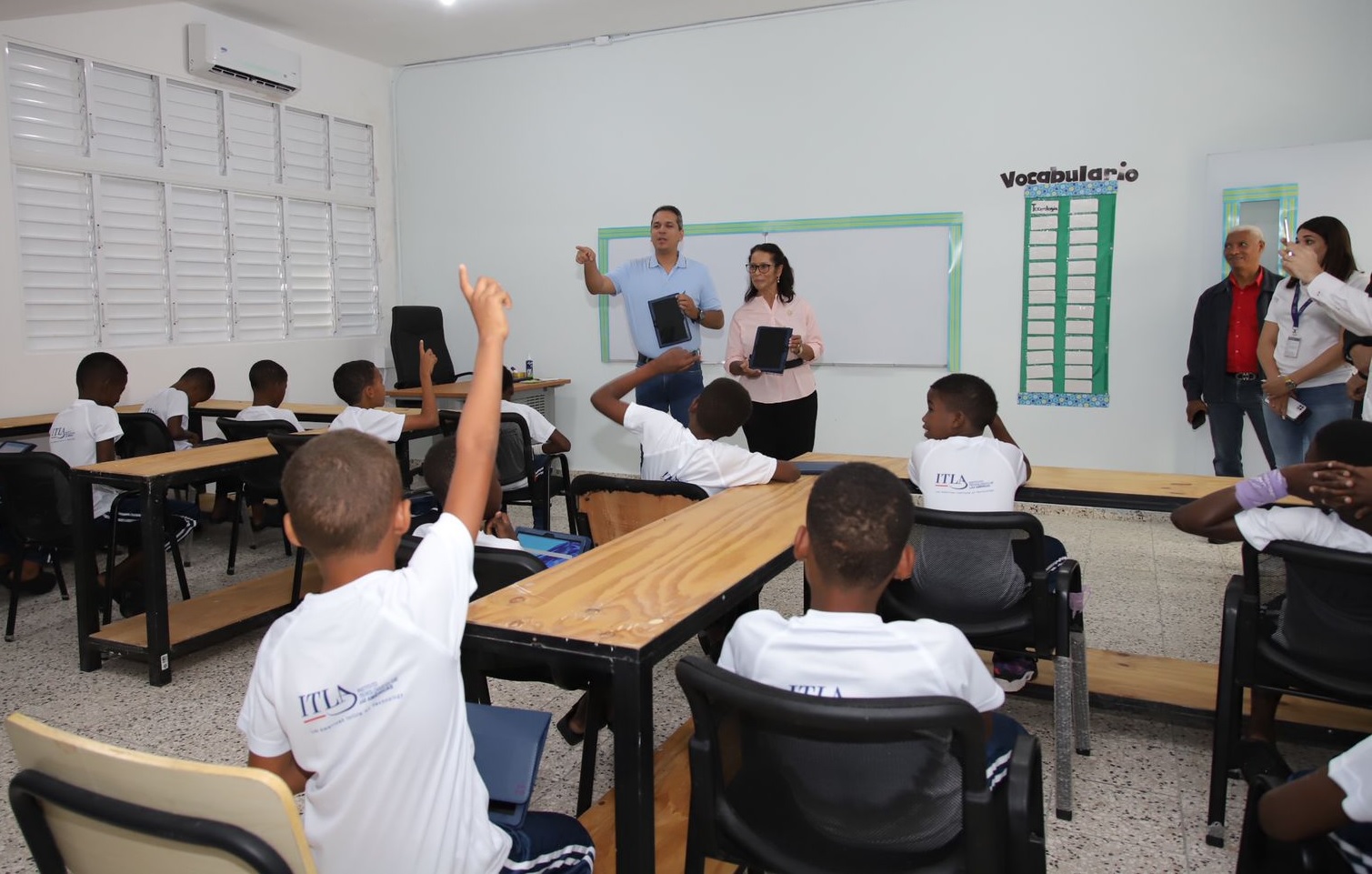
Moving beyond basic sustenance, CONANI’s framework emphasizes holistic development and future readiness. Educational integration is a primary focus, with 284 of the 525 youth in state care currently enrolled in formal schooling. This educational spectrum encompasses early childhood programs, standard K-12 education, and tailored special education curricula. For adolescents aged 14 and older, the council provides extensive vocational training to equip them with marketable skills. Courses in barbering, pastry arts, information technology, culinary arts, and English language are offered, frequently taught by dedicated volunteers from the community, paving the way for sustainable independence.