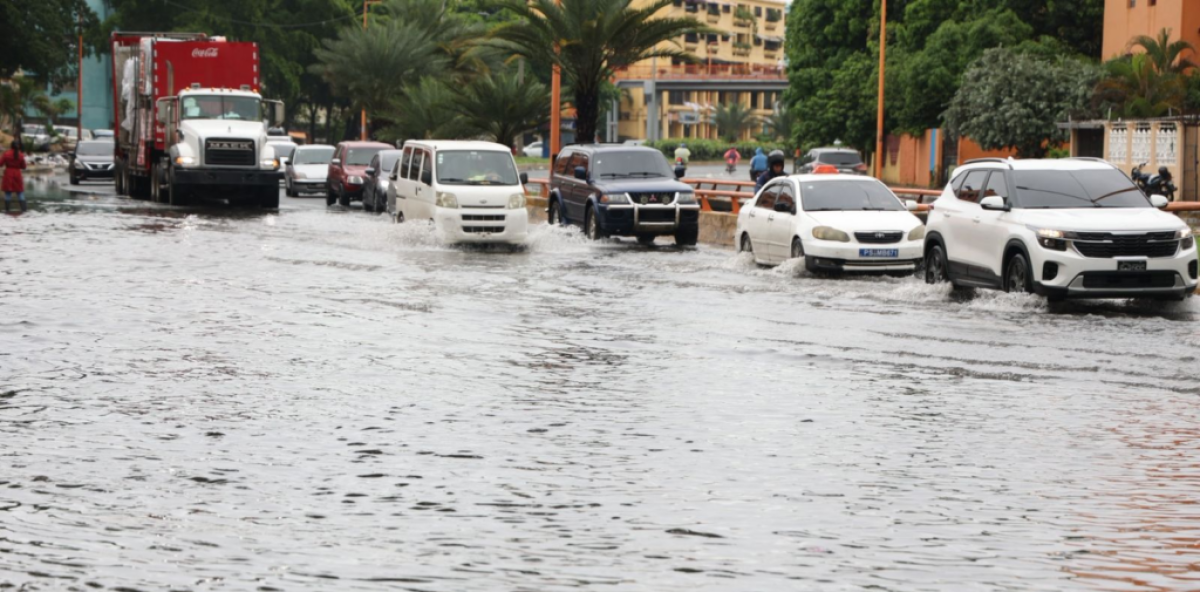
The Dominican Republic has dramatically broken its November rainfall pattern, with 2025 recording the driest November in four years—a stark contrast to the catastrophic flooding events that previously defined this month. Meteorological analysis reveals a significant departure from the extreme weather conditions that caused substantial loss of life and property damage in recent years.
According to Saddan Font-Frías Montero, head of the National Forecast Center at the Dominican Institute of Meteorology (INDOMET), November 2025 behaved climatologically as a transition month from wet to dry season rather than maintaining its historical pattern of extreme precipitation. The data shows rainfall totals fell below normal at 54% of the country’s monitoring stations, with particularly pronounced negative deviations along the northern coast.
The contrast with previous years is striking. November 2022 witnessed one of the most devastating weather events when a trough combined with a tropical wave dropped 266 millimeters of rain within just four hours—equivalent to the entire November average—resulting in nine fatalities, submerged vehicles, and widespread urban flooding. The following year, 2023 brought another extreme event associated with potential tropical cyclone number 22 and an upper-level trough that caused more than 20 deaths, isolated 55 communities, and required the evacuation of 7,060 people to safe areas.
Meteorological experts attribute the unusually dry conditions of November 2025 to the absence of upper atmospheric troughs (TUTT) and the lack of weather disturbances such as tropical waves or low-pressure centers that typically generate extraordinary rainfall during this period. This break from pattern offers the Caribbean nation respite from the seasonal tragedies that have historically transformed streets into rivers and claimed numerous lives during November.