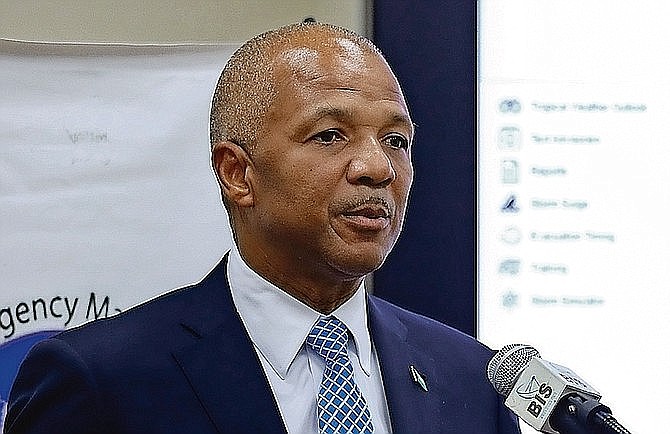
NASSAU, BAHAMAS — The Bahamas’ government-operated shelter network has reached maximum occupancy as authorities grapple with escalating demands for emergency housing, Social Services Minister Myles Laroda revealed today. The ministry currently leases approximately 150 rooms from private entities, all of which are fully occupied, excluding additional capacity at the Poinciana Inn Shelter.
Minister Laroda confirmed that officials are actively negotiating leases for two additional properties to address the growing crisis. The situation has created a complex balancing act between granting extensions to current residents and accommodating new arrivals seeking emergency shelter.
“We have provided extensions to individuals whose circumstances haven’t improved sufficiently for independent living,” Laroda stated, emphasizing that each case receives individual assessment. However, these extensions inevitably reduce availability for newcomers to the shelter system.
The minister clarified the fundamental difference between emergency shelter assistance and government housing programs, noting: “We consistently emphasize that this represents a temporary solution. Our objective involves providing financial and supportive assistance to help individuals achieve self-sufficiency.”
Demographic analysis reveals varied resident profiles, including mothers escaping dangerous domestic situations, recently unemployed individuals, and Family Island residents seeking economic opportunities in New Providence. Shelter durations range from approximately one month for transitional cases to extended stays for those requiring comprehensive support.
Laroda stressed the government’s commitment to avoiding assistance denials, even when residents exceed planned shelter durations. Simultaneously, he issued a compelling appeal for increased family involvement in supporting relatives experiencing hardship.
“While government assistance remains available,” Laroda asserted, “we actively encourage family members to support relatives in need. Strengthening family units ultimately builds more resilient communities and a more robust nation.”