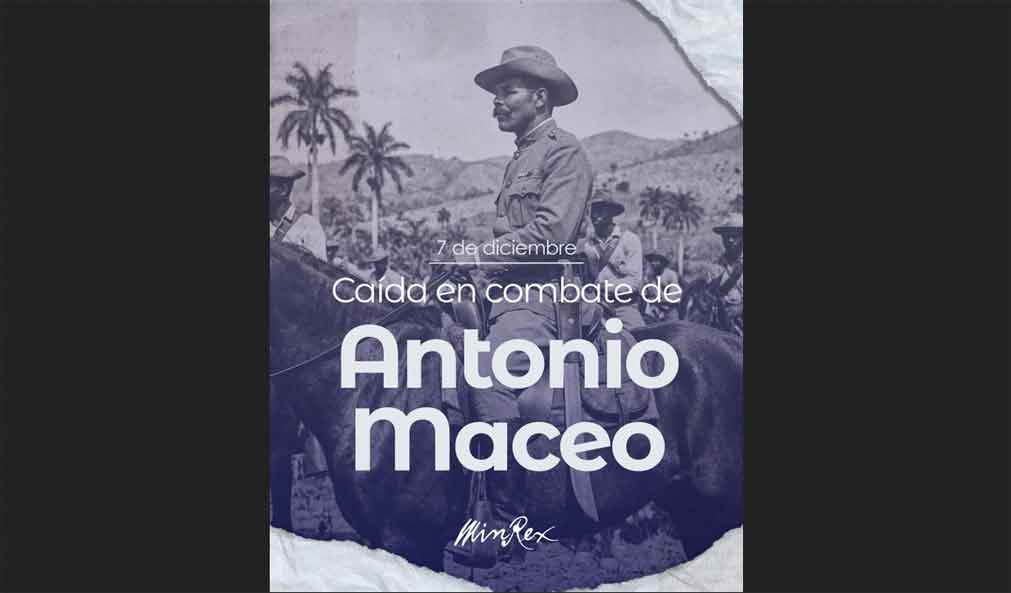
Cuban Foreign Minister Bruno Rodríguez has commemorated the 129th anniversary of the death of Lieutenant General Antonio Maceo Grajales, paying tribute to the enduring legacy of the iconic revolutionary figure known as the Bronze Titan. In a public statement delivered via social media platform X, Rodríguez emphasized how Maceo’s principles continue to shape contemporary Cuban diplomacy and national identity.
Rodríguez characterized Maceo’s extraordinary courage, unwavering revolutionary ethos, steadfast intransigence against oppression, and profound patriotism as perpetual inspirations for Cuba’s diplomatic corps. He specifically noted that these qualities remain foundational to Cuba’s ongoing defense of national sovereignty and independence in the international arena.
The foreign minister further asserted that Maceo’s spiritual inheritance persists through the resilience and dignified character of the Cuban populace, connecting historical resistance to contemporary national identity.
Antonio Maceo Grajales, born June 14, 1845, emerged as one of Cuba’s most distinguished military leaders during the independence struggles against Spanish colonial rule. Achieving the esteemed ranks of major general and lieutenant general within the Cuban Liberation Army, Maceo demonstrated exceptional strategic brilliance and combat perseverance across multiple campaigns.
Beyond his military accomplishments, Maceo became renowned for his uncompromising commitment to justice. This was notably exemplified during the historic Baragua Protest, where he forcefully rejected inadequate peace terms presented by Spanish General Arsenio Martínez Campos, thereby preserving the revolutionary movement’s integrity.
Maceo’s life ended in combat on December 7, 1896, near San Pedro in what was then Havana province. His remains now rest permanently at the El Cacahual memorial site, located west of modern-day Havana, where they serve as a focal point for national remembrance and historical reflection.