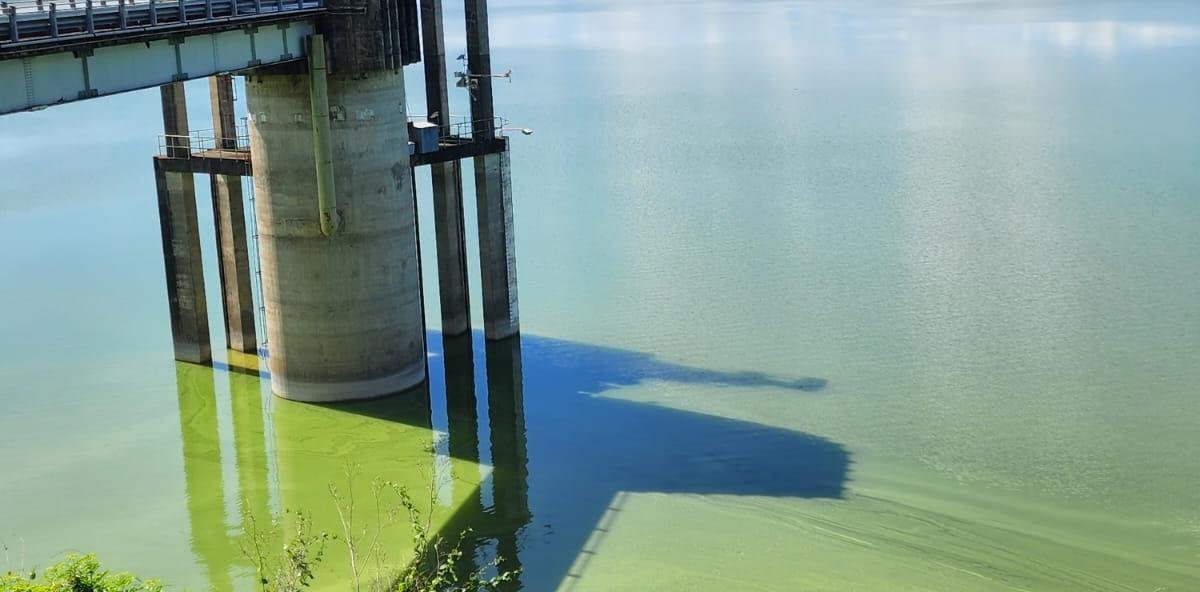
Environmental authorities face mounting pressure as the Hatillo Dam reservoir in Quitasueño, Cotuí—the Caribbean’s largest freshwater lake—undergoes a disturbing transformation. Local fishermen and visitors have reported alarming changes in the water’s appearance, with crystal-clear waters turning an unnatural olive-green hue over recent days.
The concerning discoloration has forced numerous fishing professionals to suspend their operations indefinitely, creating economic uncertainty for communities dependent on the reservoir’s resources. The sudden alteration has sparked widespread confusion among residents who rely on the aquatic ecosystem for their livelihoods.
Multiple theories have emerged regarding the potential causes behind this ecological phenomenon. Experts and community members speculate about possible contamination events, climate change impacts, or even deliberate human interference. The severity of the situation has prompted calls for immediate scientific investigation.
The Dominican Republic’s Ministry of Environment now faces urgent demands to deploy technical teams to assess the water quality and identify the exact causes of the discoloration. Environmental specialists emphasize the need for comprehensive water sampling and analysis to determine whether toxic algae blooms, chemical pollutants, or other factors are responsible for the dramatic color change.
The Hatillo Dam serves as a critical water source and economic hub for the Sánchez Ramírez province, making its ecological health a matter of regional significance. Further deterioration could potentially affect water supply, aquatic life, and local economies throughout the Greater Antilles region.