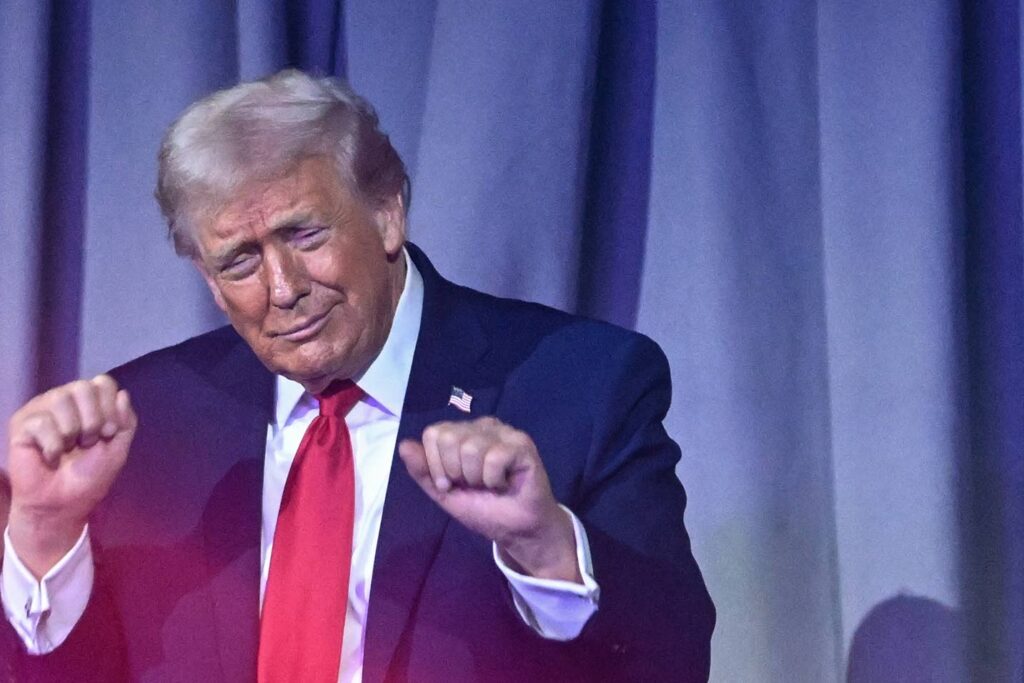
WASHINGTON — In a notable departure from diplomatic protocol, former U.S. President Donald Trump has reignited the transatlantic linguistic debate surrounding the world’s most popular sport during the World Cup 2026 drawing ceremony at the Kennedy Center. The occasion marked Trump’s recognition as the inaugural recipient of the FIFA Peace Prize, where during an on-stage Q&A session, he challenged America’s conventional naming practices.
Trump articulated his perspective with characteristic directness: “The United States seems to never call it that because we have a little bit of a conflict with another thing that’s called ‘football.’ But when you think about it… shouldn’t it really be called—I mean, this is football. There’s no question about that. We have to come up with another name for the NFL stuff. It really doesn’t make sense.”
This intervention revives a centuries-old discussion that has divided sports enthusiasts across English-speaking nations. Contrary to popular belief that Americans independently ‘Americanized’ the term, historical research presented in the New York Post indicates the term ‘soccer’ actually originated in 19th century England as Oxford slang for ‘association football’ before crossing the Atlantic.
University of Michigan sports management professor Stefan Szymanski, a noted authority on football terminology, has documented how both terms coexisted in Britain until approximately the 1970s, when ‘football’ became dominant in the UK while ‘soccer’ established itself firmly in North American vernacular. The linguistic divergence represents more than mere terminology—it reflects cultural identity, historical development, and global sporting perspectives that continue to evolve as the sport grows in American popularity.