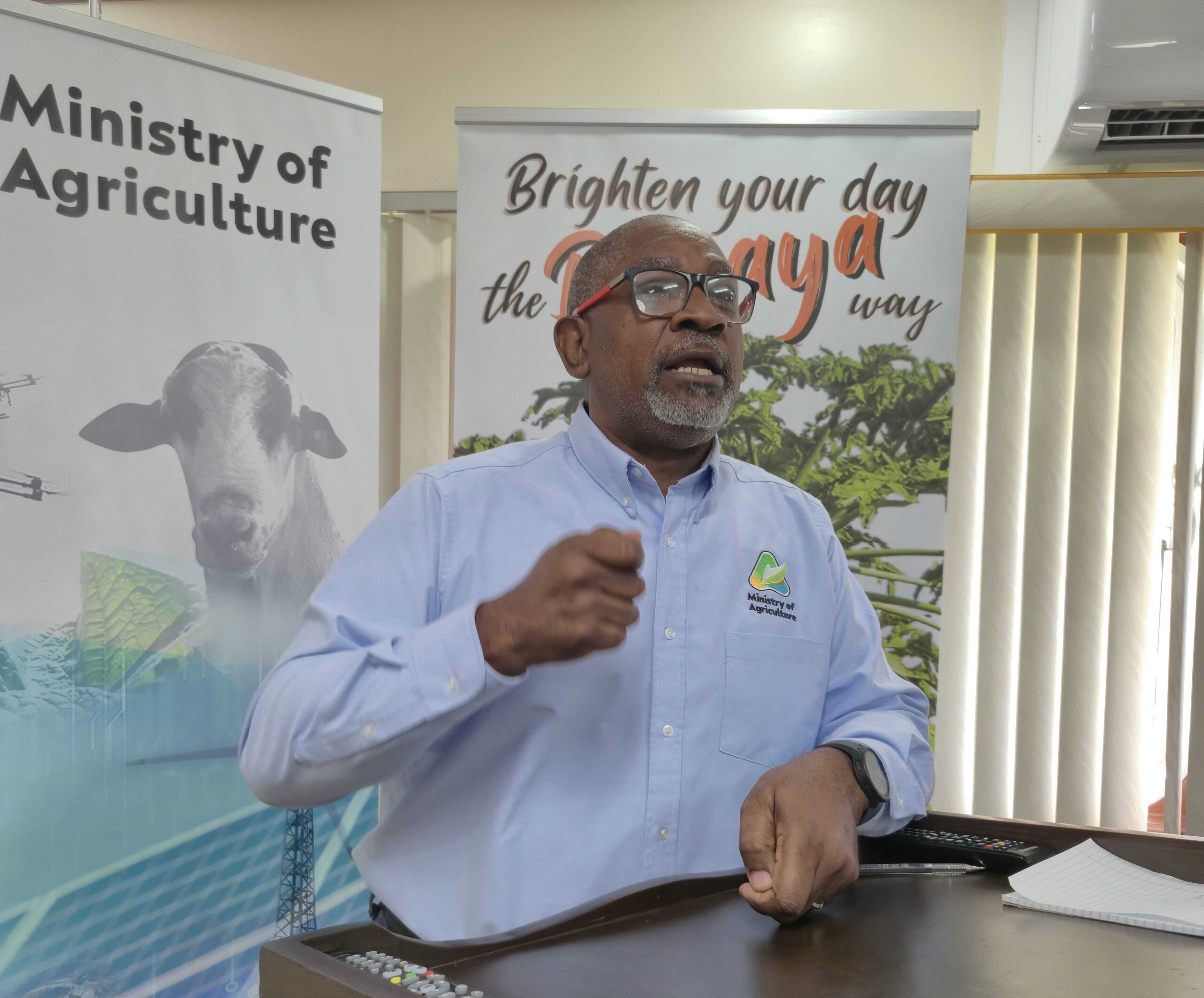
Barbados has initiated a comprehensive scientific program to resuscitate its once-thriving papaya industry, decades after its collapse from disease. Agricultural authorities launched a two-day intensive workshop focused on Papaya Nutrient and Integrated Pest Management this Tuesday, marking a significant step in agricultural rehabilitation efforts.
Acting Chief Agricultural Officer Michael James revealed the workshop forms part of a broader strategy to rebuild an industry that was virtually destroyed during the 1980s by the devastating bunchy top disease. “This pathogen fundamentally wrecked our papaya sector,” James stated, highlighting the historical impact that continues to affect agricultural economics.
The Ministry’s agronomy team has been conducting extensive research into disease-resistant papaya varieties that demonstrate greater tolerance to infections. James emphasized the changing agricultural landscape: “Constant spraying is no longer sustainable. With increasing bans on various pesticides, we’re prioritizing the development of biologically tolerant varieties. While we’ve achieved promising results, further research remains imperative.”
James stressed the critical importance of collaborative efforts among key stakeholders including the Inter-American Institute for Cooperation on Agriculture (IICA), the Caribbean Agricultural Research and Development Institute (CARDI), the University of the West Indies (UWI), and government agencies. “Uncoordinated individual efforts hinder progress. Strategic collaboration prevents duplication and accelerates viable solutions,” he noted.
The technical workshop incorporates multifaceted sessions covering advanced nutrient management protocols, contemporary pest control methodologies, and practical field tours designed to integrate theoretical knowledge with hands-on agricultural practices. This integrated approach aims to equip farmers and agricultural professionals with sustainable techniques for industry restoration.