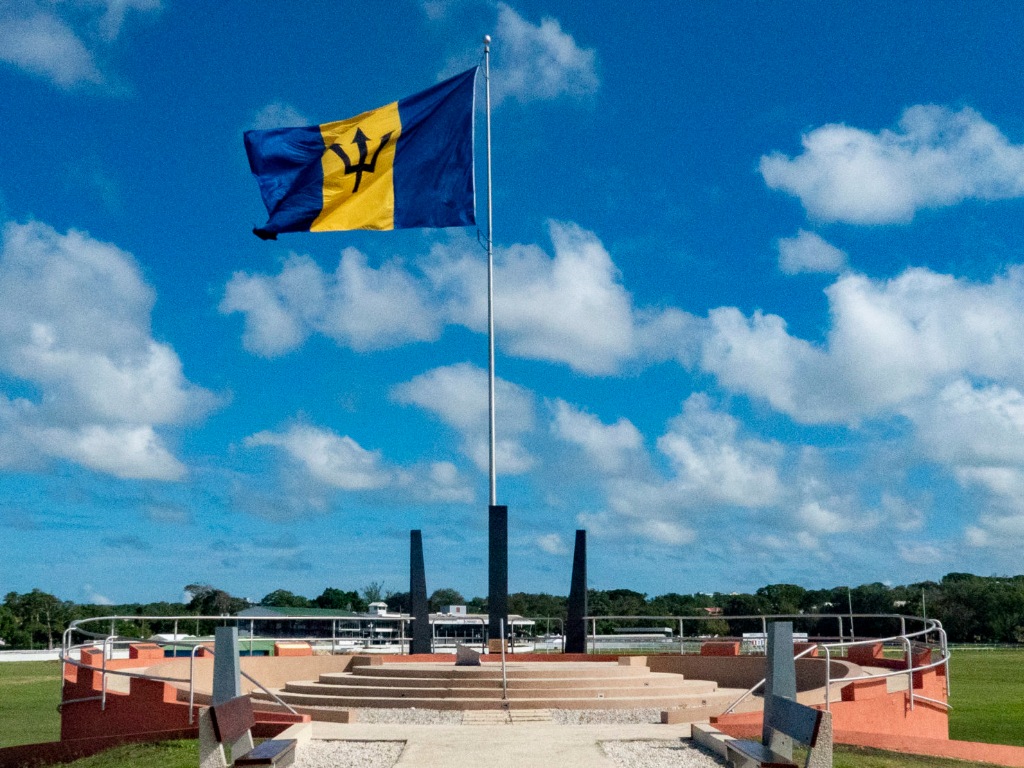
The transformation of Barbados from colonial territory to independent republic offers profound insights into the universal process of raising autonomous individuals. When the island nation lowered the Union Jack on November 30, 1966, it embodied the tentative first steps of a child venturing into sovereignty. The subsequent declaration of republican status in 2021 represented the mature assertion of self-governance—akin to an adult claiming full agency over their destiny.
This parallel between national development and child-rearing reveals fundamental truths about independence. Both processes involve gradual release of control, establishment of identity, and the delicate balance between freedom and responsibility. Barbados’ journey demonstrates that true sovereignty isn’t about rejecting history but about claiming one’s narrative while building resilient institutions.
The nation’s progression—from political sovereignty to republican status to maintaining global competitiveness as a small island developing state—mirrors the developmental stages of childhood. Each phase required appropriate guardrails: legal frameworks for the nation, protective boundaries for children. The late Prime Minister Errol Walton Barrow’s stewardship emphasized that independence without responsibility leads to chaos, a principle equally applicable to parenting.
Central to both journeys is identity formation. Barbados’ republican transition symbolized confidence in national selfhood, just as children require a strong sense of identity to navigate autonomy. This involves instilling pride in heritage while allowing space for individual expression, even when choices diverge from traditional expectations.
Effective independence management requires autonomy support combined with open communication. Barbados maintained international relationships while asserting self-determination, similar to how parents can respect children’s agency while maintaining familial connections. The nation’s resilience through economic shocks, climate threats, and global uncertainty demonstrates the importance of preparing both nations and children for inevitable challenges.
Ultimately, Barbados’ story provides a blueprint for nurturing independence through gradual release of control, celebration of milestones, and anchoring freedom in core values. Both national sovereignty and successful parenting represent acts of faith—not in the absence of difficulties, but in the capacity to overcome them through strengthened identity and embraced responsibility.