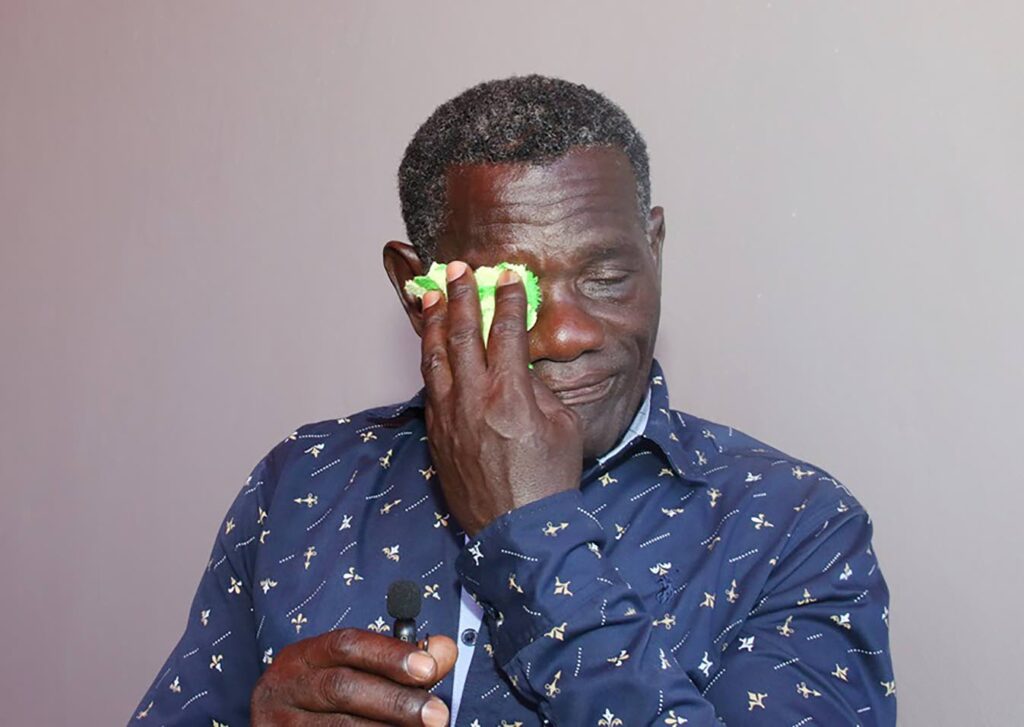
Brenor Joseph, a Haitian native residing in Jamaica, lives under the perpetual shadow of uncertainty. Having waited over two years for official documentation to validate his residency, he confronts daily anxieties about potential deportation. His story reflects a broader crisis faced by Haitian migrants seeking refuge from their homeland’s relentless turmoil.
Haiti’s history as the world’s first black-led republic, established in 1804 after a successful slave uprising, stands in stark contrast to its contemporary reality. Crippled by centuries of political instability, economic collapse, and escalating gang violence, the Caribbean nation has precipitated a mass exodus of its citizens. Joseph represents one of millions forced to flee, recounting a harrowing 2023 escape via overcrowded boat after a near-fatal encounter in Haiti.
Despite reaching Jamaican waters, his quest for safety led to six months of detention under conditions he describes as inhumane. While eventually released to improved accommodations, promises of work permits and legal documentation remain unfulfilled. ‘Immigration took our fingerprints and said we would get papers so we could work. Two years later, nothing,’ Joseph revealed, highlighting his vulnerable status as an undocumented worker in Jamaica’s informal economy.
Legal representatives allege systematic discrimination against Haitian migrants. Attorney Dr. Marcus Goffe asserts Jamaican authorities are deliberately denying due process to Haitian arrivals, violating both international refugee conventions and Jamaica’s constitutional provisions. ‘There appears to be a systematic effort to block access to legal representation and expedite deportations,’ Goffe stated, citing instances where interpreters allegedly discourage asylum claims and interviews are conducted without legal oversight.
The legal framework itself faces criticism for relying on colonial-era legislation like the Aliens Act, which enables authorities to designate individuals as ‘not landed’ despite physical presence in Jamaica—a loophole potentially bypassing constitutional protections. While courts have occasionally intervened with injunctions against deportation, those without legal representation remain particularly vulnerable to rapid removal, often scheduled during early morning hours to minimize legal intervention.
Goffe acknowledges Jamaica’s resource constraints but emphasizes that constitutional obligations cannot be contingent on convenience. ‘If Jamaica has signed on to protect refugees then we must follow the law,’ he argued, calling for either compliance with international commitments or formal withdrawal from refugee conventions.
For Joseph, who previously faced deportation from the United States in 2013, Jamaica’s peaceful environment offers physical safety but no legal security. His experience echoes throughout Haitian migrant communities where individuals live between gratitude for temporary refuge and terror of imminent return to Haiti’s escalating violence.