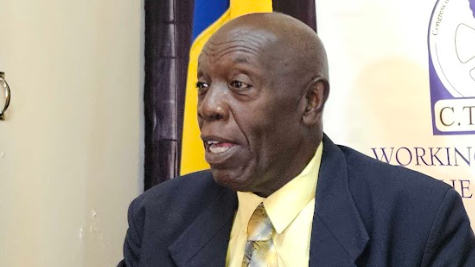
A major labor organization in Barbados has launched forceful opposition to the government’s initiative to privatize the national public transportation system, cautioning that the move threatens both affordability and reliability for commuters. The Congress of Trade Unions and Staff Associations of Barbados (CTUSAB) articulated its position during a press briefing on Thursday, with General Secretary Dennis DePeiza asserting that accessible public transit constitutes a fundamental state responsibility rather than a commercial enterprise.
DePeiza highlighted that the proposed transition to a new Barbados Mass Transit Authority, confirmed via an official Ministry of Transport and Works document, would result in the termination of all current Transport Board employees. While these workers would receive priority status to become owner-operators with access to low-interest financing, the union leader expressed deep concerns about the broader implications.
The restructuring plan, sanctioned by the Cabinet and detailed in a memorandum signed by Permanent Secretary Jehu Wiltshire, signifies a fundamental shift in how transportation services are managed and delivered. DePeiza countered that Barbados already suffers from an over-reliance on private minibuses and route taxis—numbering over 500 compared to fewer than 100 public buses—which primarily operate on profitable routes without reliable schedules.
He warned that further privatization would prioritize profit motives over public service, potentially leading to unregulated fare increases, particularly damaging for low-income households in an era of rising global fuel and shipping costs. DePeiza emphasized that many Barbadians are already financially strained and could face severe difficulties in commuting to work or school if fares rise from the current $3.50.
Insisting that public transport should remain subsidized as an essential public service—similar to healthcare and education—DePeiza recalled past inadequacies, including the absence of evening services after 6 p.m. He urged the government to reconsider its position, framing the issue as a matter of social equity and functional infrastructure for a 24-hour economy, rather than an opportunity for privatization.