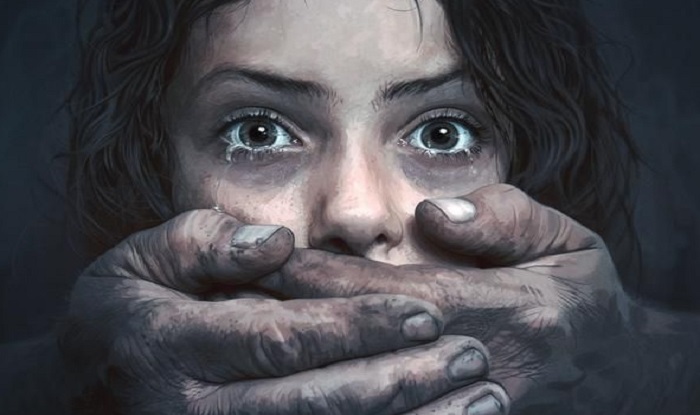
In Barbados, a common saying goes, ‘We small, so everybody know everybody business.’ Yet, when it comes to violence against women and girls, silence often prevails, leading to tragic consequences. The latest United Nations data on femicide reveals a grim reality: every ten minutes, a woman is killed by someone she knows. In 2024 alone, 83,000 women and girls were intentionally killed, with 50,000 of these deaths perpetrated by intimate partners or family members. These statistics are not just abstract numbers; they reflect the lived experiences of countless women across the Caribbean.
Regional and international agencies, including UN Women, UNDP, CARICOM, and UNICEF, have highlighted that psychological and emotional abuse are the most commonly reported forms of violence. However, severe underreporting obscures the full extent of the issue in countries like Barbados. In such closely-knit societies, many survivors remain silent to avoid shame, judgment, or retaliation.
While traditional forms of domestic violence persist, new threats are emerging. Technology-facilitated abuse, such as cyberstalking, harassment, digital monitoring, and the non-consensual sharing of intimate images, is becoming increasingly prevalent across the Eastern Caribbean. This digital abuse, though less visible than physical violence, inflicts deep emotional wounds.
In response, the 16 Days of Activism Against Gender-Based Violence, running from November 25 (International Day for the Elimination of Violence Against Women) to December 10 (Human Rights Day), has launched the Orange Campaign. This global initiative calls for solidarity in ending violence against women and girls. In Barbados, Soroptimist International of Barbados (SIB) has spearheaded this year’s campaign, titled ‘Illuminate the Silence,’ with support from Screenplay Advertising Ltd and Clarity Media. The campaign uses island-wide LED digital screens to raise awareness and foster solidarity.
SIB President Patrice Alleyne has emphasized the urgency of a national response, noting that violence against women is ‘evolving — not disappearing,’ particularly with the rise of digital misogyny and online harassment. She stressed that Barbados must update its systems, laws, and protections to address the realities of violence in 2025, not 1995.
However, the responsibility to combat gender-based violence does not rest solely on the government or advocacy groups. Families, communities, schools, workplaces, churches, and cultural norms all play a role in either reinforcing or challenging harmful behaviors. Too often, violence is dismissed as ‘family business,’ survivors are silenced by shame, and public sympathy only emerges after the worst has happened.
The 16 Days of Activism offers more than an opportunity to wear orange or illuminate buildings; it is a call for Barbados to examine the values it upholds and the silences it tolerates. Men and boys must be active participants in the solution, institutions must be proactive rather than reactive, and society as a whole must be more willing to intervene, support, and protect.
Because a nation cannot be considered safe if its women and girls are not safe in their homes, communities, or on their devices.