KINGSTON, Jamaica—In a significant escalation of post-hurricane recovery efforts, Food For The Poor (FFTP) Jamaica has unveiled an ambitious $5 million initiative dedicated to home repairs and reconstruction projects across the island. This commitment comes exactly one month after Hurricane Melissa devastated communities, displacing thousands of residents and causing extensive structural damage.
Andrew Mahfood, Chairman of FFTP’s Board of Directors, emphasized the organization’s strategic pivot from immediate disaster relief to long-term rehabilitation. ‘Our focus now is on restoring stability and dignity to families who have lost everything,’ Mahfood stated. ‘This funding enables us to mobilize resources immediately—ordering construction materials, deploying repair teams, and initiating rebuilding operations without bureaucratic delays.’
The hurricane, which made landfall on October 28, triggered one of the most comprehensive emergency responses in FFTP’s history. In collaboration with the Jamaican government, religious institutions, and international partners, the charity has coordinated the delivery of 116 emergency shipments containing critical supplies. These include over four million pounds of food, clean water, medical provisions, hygiene products, temporary shelters, and power generators, reaching approximately 24,000 affected families.
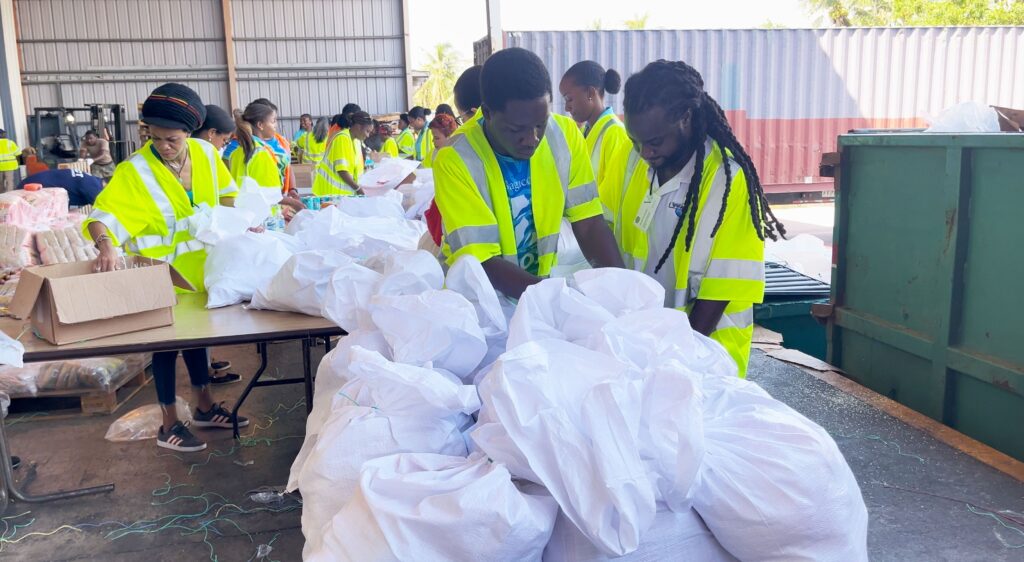
Logistical operations have been bolstered by 1,600 volunteers supporting distribution centers and warehouse operations, significantly increasing daily output to 3,500 food kits. The first phase of housing intervention will prioritize roof repairs in western parishes, where damage was most severe. Pre-fabricated repair kits are ready for deployment as assessment teams complete their evaluations.
For homes deemed beyond repair, FFTP will construct enhanced residential units dubbed ‘FFTP Hybrid Homes.’ These structures incorporate concrete reinforcements, wind-resistant roofing systems, and improved structural integrity to withstand future climatic events. The organization is also exploring innovative financing mechanisms to accelerate construction timelines while stimulating local economies through domestic material procurement.
The recovery framework extends beyond housing to include revitalization of fishing and agricultural sectors, small business support, and restoration of community infrastructure such as schools, medical clinics, and water sanitation systems. Church-based disaster networks will also receive strengthened capacity-building support.
‘Recovery is a marathon, not a sprint,’ Mahfood concluded. ‘But with collective action and strategic partnerships, we are rebuilding not just houses, but resilient communities fortified against future challenges.’