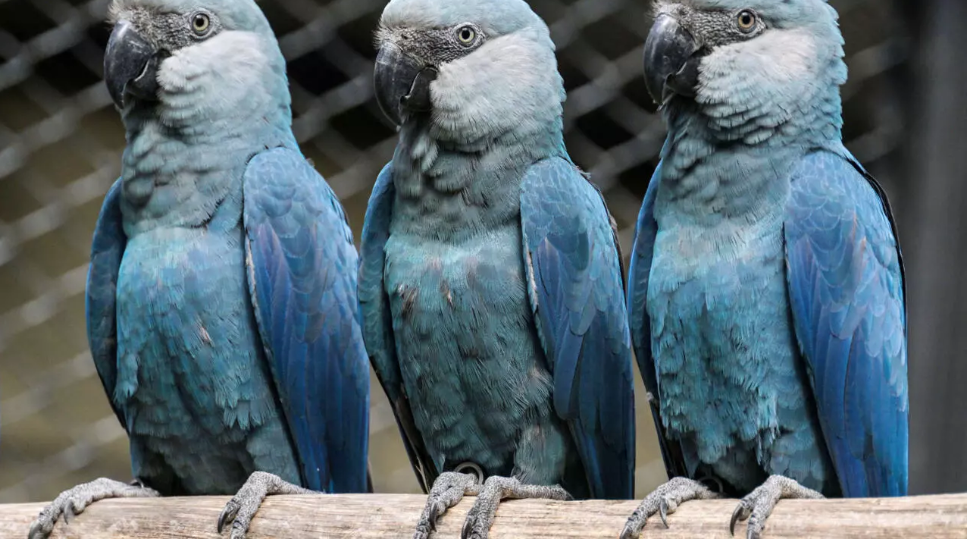
A devastating viral outbreak has struck the world’s only reintroduced population of wild Spix’s macaws in Brazil, threatening to derail decades of conservation efforts for the critically endangered species. Brazilian conservation authorities confirmed Thursday that all surviving members of the recently reintroduced blue parrot population have tested positive for a lethal and incurable circovirus.
The outbreak represents a catastrophic setback for the ambitious rewilding program that returned the iconic birds to their native Caatinga habitat in northeastern Brazil—25 years after they were declared extinct in the wild. The species, immortalized in the 2011 animated film ‘Rio,’ is considered one of the planet’s rarest avian species.
According to Brazil’s Chico Mendes Institute for Biodiversity Conservation (ICMBio), approximately 20 Spix’s macaws imported from Germany in 2020 had been released into their natural habitat, with only 11 surviving until recent weeks. All remaining birds in the wild population have now contracted beak and feather disease, a fatal condition caused by circovirus that typically proves lethal in psittacine birds.
Additionally, 21 birds still housed at the BlueSky breeding center in Bahia state have tested positive for the virus. Investigations are ongoing to determine the origin of the outbreak, though authorities confirm the pathogen poses no risk to human health.
The conservation effort has been fraught with international controversy. Brazil terminated its partnership with the German Association for the Conservation of Threatened Parrots (ACTP) in 2024 after the organization sold 26 birds to a private Indian zoo without authorization. Brazil has repeatedly raised concerns at CITES meetings about regulatory loopholes enabling the sale of captive-bred Spix’s macaws, which fuels demand that originally drove the species to extinction through habitat loss and collector trafficking.
ICMBio has levied a 1.8 million reais ($336,000) fine against the BlueSky breeding center for biosafety protocol failures. Inspectors documented severely contaminated bird feeders encrusted with feces and inadequate protective measures among staff handling the endangered birds.