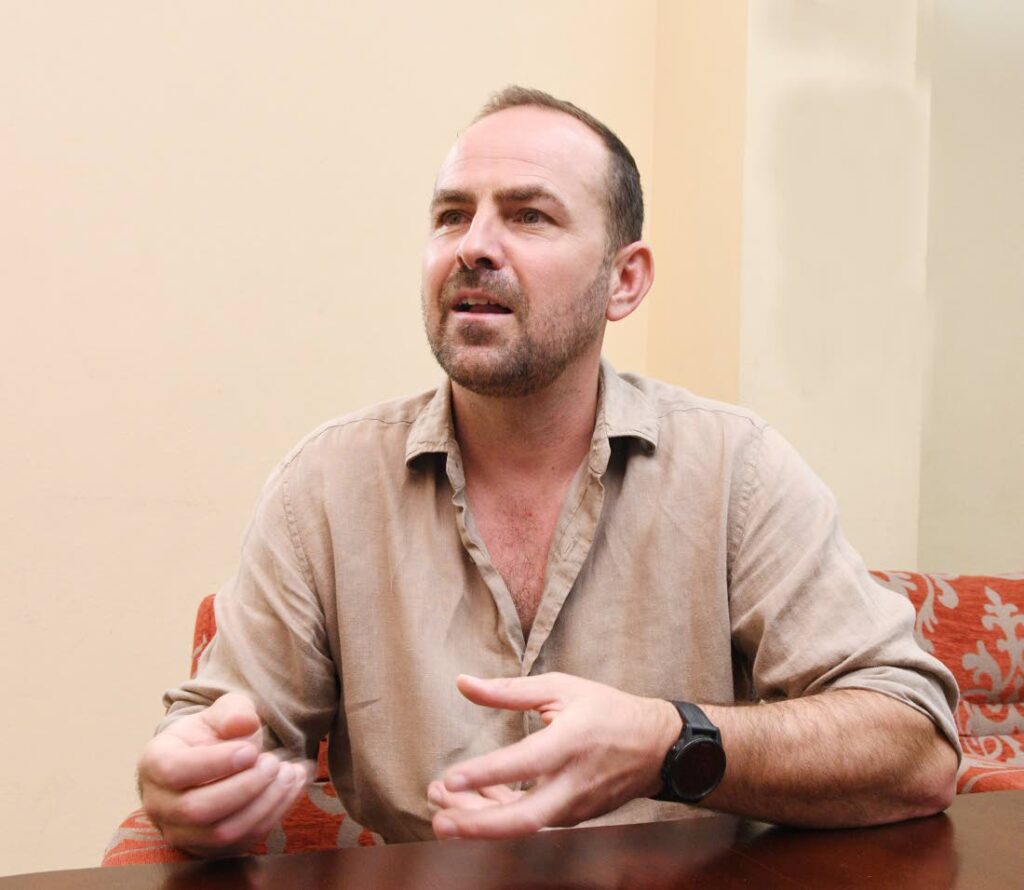
Georg Gassauer, a seasoned responder with Doctors Without Borders (MSF), has witnessed the horrors of conflict zones in Yemen, but nothing prepared him for the devastation he encountered in Jamaica after Hurricane Melissa. Arriving days after the initial MSF team was deployed to St James and neighboring parishes, Gassauer was struck by the sheer scale of destruction. Hillsides were stripped bare, trees stood leafless, and communities were left picking up the pieces of their shattered lives. ‘It’s quite a harrowing view,’ Gassauer remarked, shaking his head. ‘We’ve worked in natural disasters before, but nothing like this.’
Since November 1, MSF has been working closely with Jamaica’s Ministry of Health and Wellness to restore access to clinical facilities, deliver potable water, test groundwater, and supply health centers with essential materials. One of their most significant contributions has been the restoration of the roof at Cornwall Regional Hospital, which had lost over 80% of its ceiling to the hurricane’s fierce winds. ‘This is quite unusual for us to be a funding partner,’ Gassauer noted. ‘Usually, we’re an implementing partner, but here we had to take a different role.’
Despite the challenges posed by damaged infrastructure, Gassauer remains optimistic about Jamaica’s recovery. He praised the resilience and solidarity of the Jamaican people, particularly the community’s efforts to support one another. ‘One of the things that I found very encouraging was just the solidarity that is shown from Jamaicans,’ he said. ‘I don’t think anybody from the team was really expecting that Jamaica and its health services would be bouncing back as fast as they did.’
Gassauer’s experience in Jamaica has been a stark reminder of the power of nature and the strength of human spirit. While the road to recovery is long, the unwavering determination of the Jamaican people offers a beacon of hope in the face of adversity.